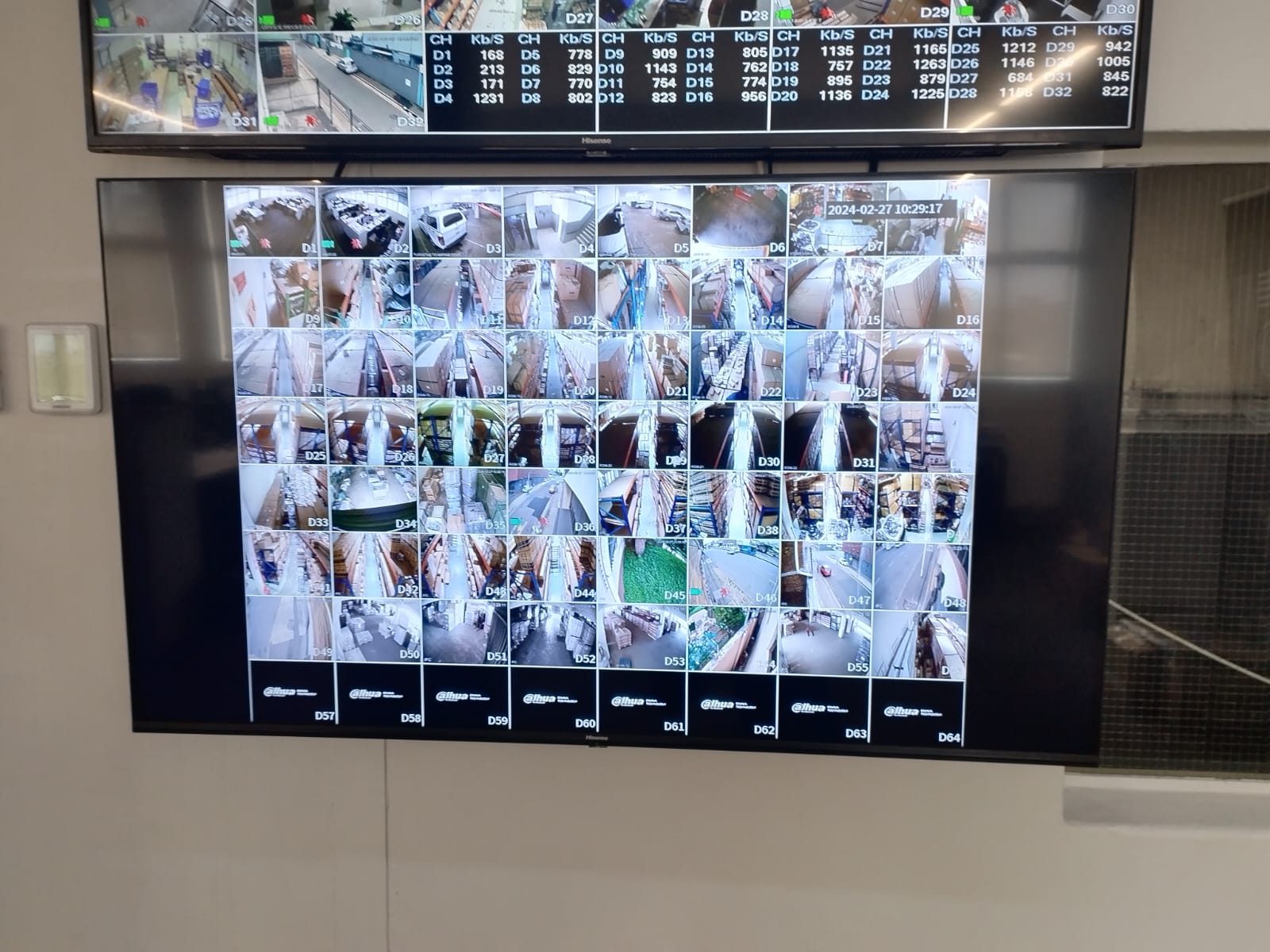
A CCTV system can look perfect until the day someone needs footage.
The cameras are online. The app opens. Live view works. Everyone assumes the system is fine.
Then something happens.
The client opens playback and cannot find the event. The recorder time is wrong. The camera name is unclear. The footage has overwritten. The export process is confusing. The person with the password is not available. The app only shows live view but not playback.
That is when the real quality of the CCTV system is revealed.
DG Technologies believes footage retrieval should be tested before an incident, not discovered during one.
Live view is not the same as evidence
Many CCTV handovers focus on live view.
The installer opens the app, shows the cameras and confirms that everything is visible.
That is only the beginning.
A camera system is not only there to show what is happening now. It is there to help the client understand what happened earlier.
That means playback matters.
The system should be able to search, review and export footage in a way the client can understand.
Time and date must be correct
Recorder time sounds basic.
It is also critical.
If the time is wrong, incident review becomes confusing. A client may search the wrong period. A manager may export footage with incorrect timestamps. A business may struggle to match camera footage to access-control events, delivery logs or staff records.
For professional CCTV, the recorder should keep accurate time. It should be checked during handover and maintenance.
This is especially important after power events, equipment changes or network changes.
Retention should match the client’s expectation
Clients often assume footage will be available for a certain number of days.
That assumption needs to be tested.
Retention depends on camera count, resolution, frame rate, recording mode, compression, hard-drive size and activity levels. A busy business site may use storage faster than expected. A high-resolution system may overwrite footage sooner than a client realises.
The installer should explain the expected retention period and check whether it matches the client’s need.
For businesses, warehouses and commercial premises, this can be critical.
Camera names affect footage search
If the cameras are named poorly, playback becomes harder.
Searching “Camera 06” means nothing to a client under pressure. Searching “Front Gate” or “Dispatch Door” is much clearer.
Good camera naming helps the user follow an event across multiple views. It also helps support teams guide the client remotely.
This is why camera naming is part of professional CCTV installation, not a cosmetic detail.
Export should be demonstrated
Exporting footage should not be a mystery.
The client should know whether footage can be exported from the recorder, from the app or from a computer. They should know what format is produced, where it saves and who is authorised to do it.
For a home, the owner may only need basic export knowledge.
For a business, the process may need to be clearer. A manager may need to provide footage to an insurer, security company, police officer or internal HR process. That should not depend entirely on one person remembering how the system works.
User permissions can block retrieval
Sometimes the system is recording properly, but the user cannot access playback because permissions are limited.
That may be intentional. Not every user should have full playback or export access.
But the right people must have the right access.
During handover, the installer should confirm:
- who can view live cameras
- who can search playback
- who can export footage
- who can add users
- who owns the admin account
- what happens if the phone changes
This prevents a common support problem: the footage exists, but the person who needs it cannot access it.
Maintenance should include a retrieval test
CCTV maintenance should not only mean checking whether cameras are online.
It should include a practical playback test.
For example:
- pick a camera
- search footage from yesterday
- confirm the timestamp
- play the footage
- export a short clip
- check that the file opens
- confirm storage health
- confirm expected retention
That test gives the client confidence that the system is not only alive, but useful.
The best time to test is before pressure
Nobody wants to learn the CCTV system during an incident.
The best time to test footage retrieval is during handover, maintenance or a quiet day when there is no pressure. That is when questions can be answered properly and settings can be corrected calmly.
For Durban and KZN homes, estates and businesses, DG Technologies treats CCTV playback and retrieval as part of the installation quality.
Live view is good.
Useful evidence is better.