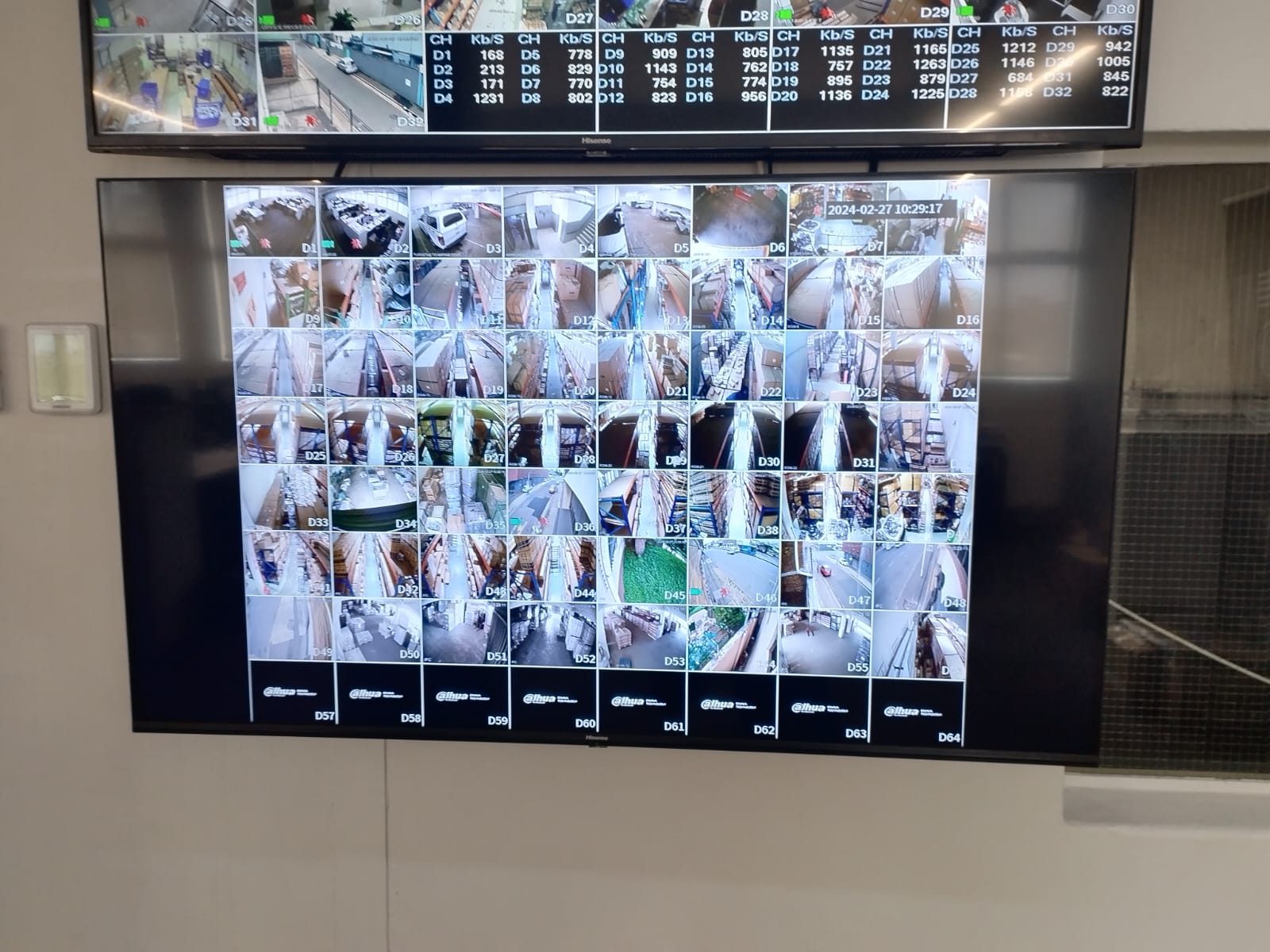
CCTV is often judged by picture quality.
That matters, but it is not the whole story.
When footage is needed after an incident, the first question is usually simple: “What time did it happen?” If the recorder time is wrong, the search becomes slower, the evidence becomes harder to explain, and confidence in the system drops immediately.
A camera view is not enough
A camera can show movement, vehicles, people or loading activity.
But the system also needs to show when that happened.
If the recorder is hours out, days out, or reset after a power event, the person searching the footage may end up looking in the wrong place. On a small home system, that is irritating. On a commercial site with many cameras and many hours of recordings, it becomes a serious operational problem.
Time settings should not be left as an afterthought
Recorder time should be checked during commissioning.
The correct time zone should be set. Daylight saving assumptions should be avoided. The recorder should be configured to hold accurate time as reliably as the system allows. Where appropriate, network time settings should be considered so that the recorder does not slowly drift away from reality.
These are small settings.
They matter when the footage becomes important.
Power failures can expose weak setup
South African sites deal with power interruptions, inverter changeovers and occasional network restarts.
After a power event, a CCTV system may appear to come back online perfectly. Cameras may show live views. Recording may continue. But the time may have shifted, the recorder may have restarted with the wrong date, or the system may no longer be synchronising correctly.
That is why CCTV maintenance should include more than checking whether cameras are visible.
Multiple systems should agree with each other
Commercial sites often have more than one system involved in an incident.
There may be CCTV, access control, alarm logs, time attendance, gate records or dispatch paperwork. If each system shows a different time, the investigation becomes messy. Even a few minutes can matter when people are trying to understand a delivery, entry event, loading dispute or security incident.
Where possible, the systems should be set up so their time references agree.
Time accuracy should be checked during maintenance
It is not enough to set the time once and forget about it.
Recorder time should be checked during routine maintenance, especially after power events, network changes or firmware updates. If the site depends on CCTV for accountability, the time stamp is part of the system’s value.
A camera that records the wrong time is still recording, but it is not recording as professionally as it should.
Evidence needs a clear trail
When footage is exported, the time stamp becomes part of the story.
If a manager, homeowner, security company or investigator asks for a clip, the export should make sense. The clip should match the reported incident time. The camera name should make sense. The view should be identifiable. The file should not need a long explanation before anyone can understand it.
Good CCTV design is about reducing doubt.
DG Technologies’ view
DG Technologies treats time and date accuracy as part of CCTV reliability.
A system is not professional because it has many cameras. It is professional because the footage can be found, understood and trusted when it matters.
That starts with the quiet setup details that most people only notice after something has gone wrong.