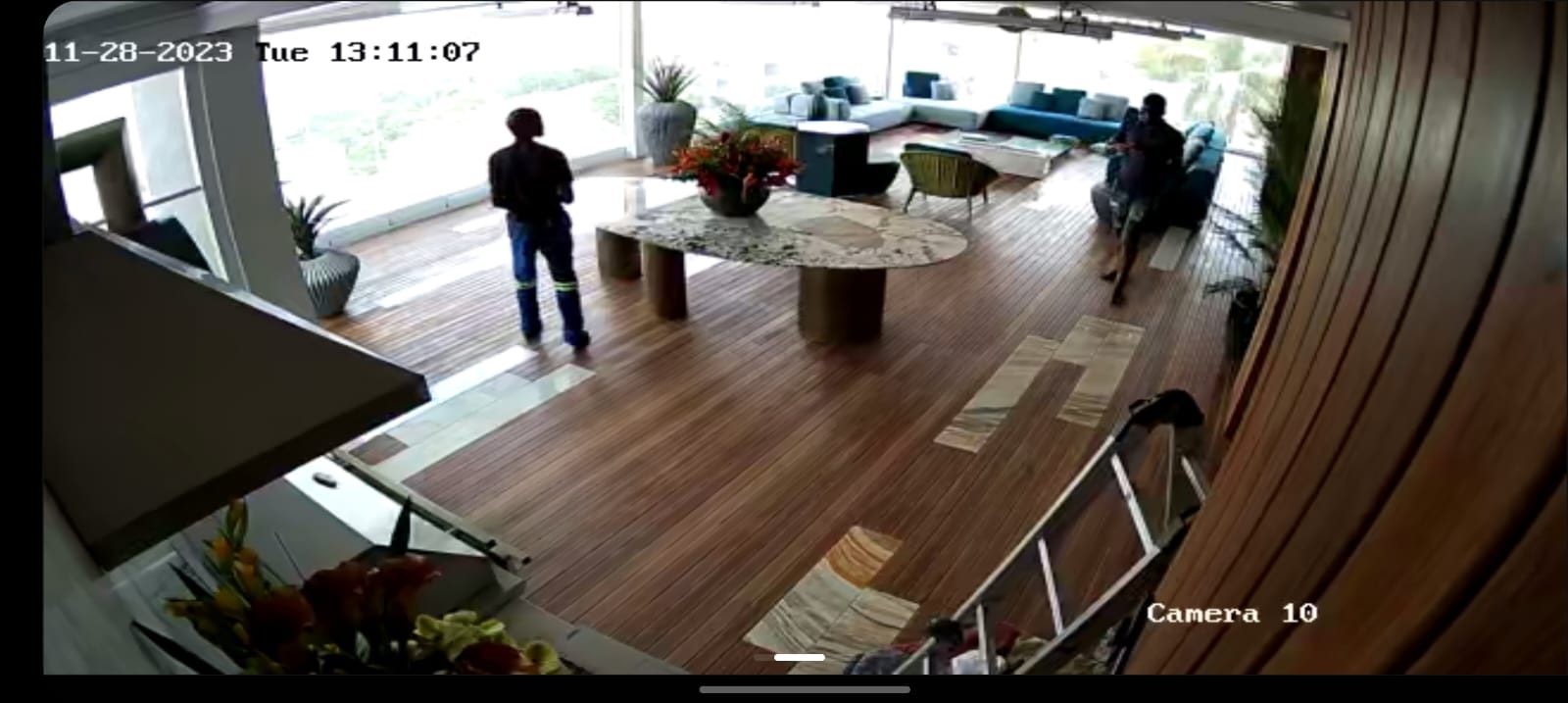
A CCTV installation is not finished only because every camera is online.
The client must understand what each camera sees, what it does not see, and what kind of evidence the view is designed to provide. That is why camera view sign-off matters.
It protects the client and it protects the installation team.
Coverage assumptions create disputes
Clients often assume a camera covers more than it actually does.
A wide driveway view may not identify a face at the gate. A camera covering a boundary may not read a number plate. A warehouse camera may show movement but not enough detail for an operational dispute.
These are not always installation faults.
They are design decisions that must be explained clearly.
That is why we treat CCTV planning as a design discussion before it becomes an installation task.
Every camera has a job
Good CCTV design gives each camera a purpose.
One camera may provide overview coverage. Another may capture faces. Another may watch a door, a loading bay, a till area, a driveway or a specific access point. When the client understands the purpose of each camera, the system becomes easier to judge.
The question changes from “can we see everything?” to “does each important risk have the right view?”
View sign-off should happen on the real screen
Plans and quotations are useful, but the final view must be checked on the actual system.
The client should see the camera names, angles, playback, mobile app view and recorder interface. This is where small adjustments can be made before the team leaves site.
It is much better to adjust a camera during commissioning than after the first incident.
This is also the right time to confirm whether the camera names make sense. A client should not have to guess whether “Camera 07” is the gate, driveway, loading bay or passage. The name should match the way the property is spoken about by the people who use it.
Blind spots should be discussed honestly
No CCTV system covers everything.
There may be blind spots, privacy limits, neighbour views, landscaping, future trees, low walls, reflective glass or lighting issues. If those limitations are explained during handover, the client can make informed decisions.
Sometimes the answer is another camera.
Sometimes the answer is accepting that a specific area is not a priority.
The important part is that the decision is visible. If a client chooses not to cover a particular side of a building, that is fine. But it should not be discovered later when footage is needed and everyone assumed the area was covered.
Handover should include playback
Live view is only half the system.
The client should also know that recording is working and that footage can be found. Playback, search, export and basic app access should be checked during handover. A CCTV system that cannot easily retrieve footage under pressure has not been fully handed over.
Related DG notes: why CCTV footage export training should be part of handover and why CCTV camera views should be confirmed onsite before final quote.
DG Technologies’ view
DG Technologies treats CCTV handover as more than login details and app setup.
The client needs to understand what the system is designed to do.
Camera view sign-off helps make that clear before the footage is needed.