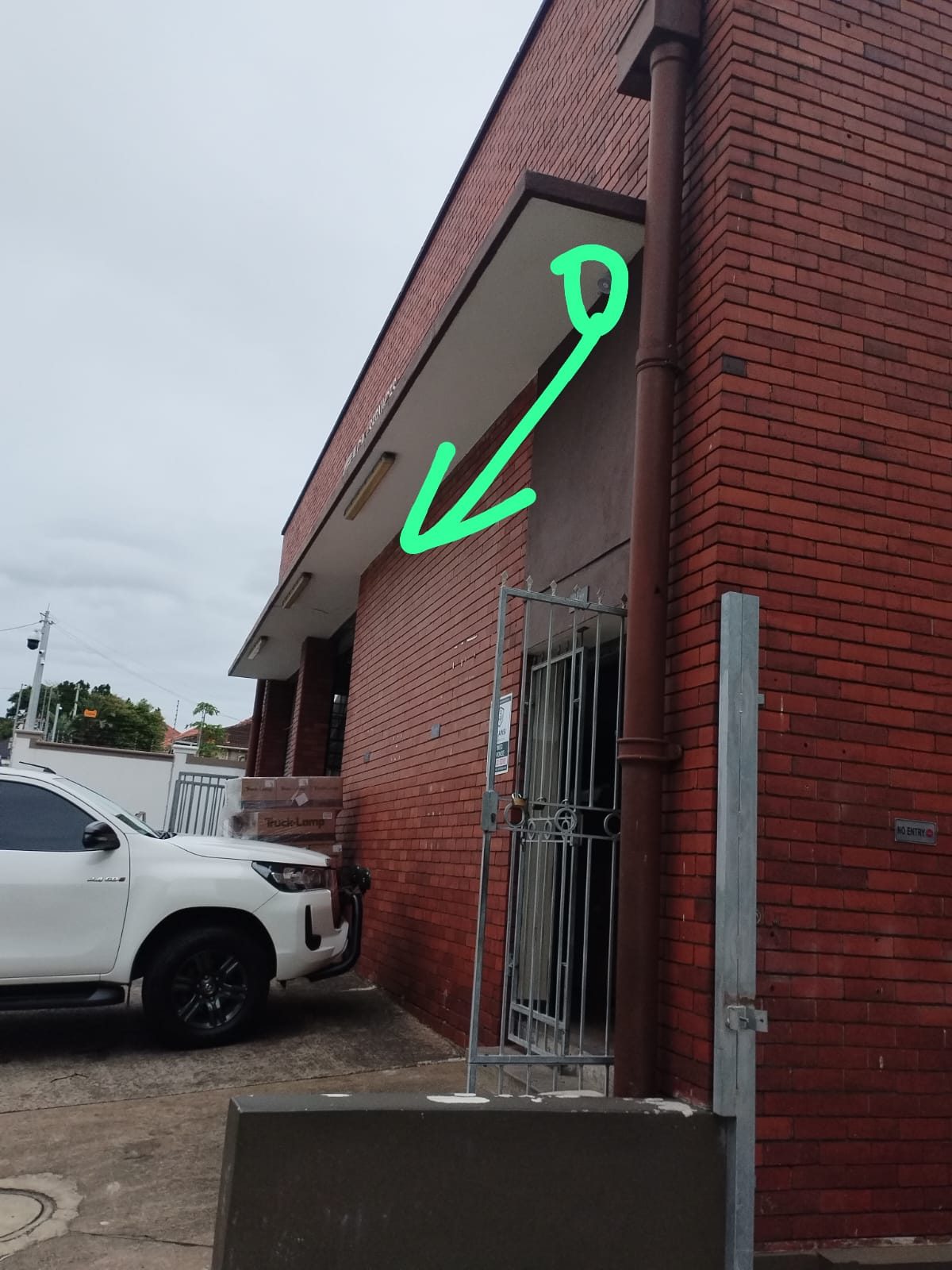
An electrician can run a cable neatly.
That does not automatically mean the CCTV system has been designed properly.
This is not a criticism of electricians. On a good project, the electrician is an important part of the team. They understand containment, DBs, conduits, site access, ceilings, walls and the construction sequence. A good electrician can make the installation cleaner and easier to maintain.
But a CCTV system is not only a cable route.
It is a camera, lens, angle, network, recorder, app, power and support system. If those decisions are not made properly, the homeowner or business may end up with cameras that work technically but do not produce useful footage.
DG Technologies treats CCTV installation as a system-design responsibility, especially for larger Durban homes, estates and business premises.
The electrician sees the cable route
During construction, the electrician is often the person on site when conduits are being installed. That makes the electrician central to the physical installation.
They may be asked to allow for a camera at the gate, another at the driveway and a few around the house.
The problem is that the easiest cable route is not always the best camera position.
A conduit may arrive in a convenient corner, but that corner may not capture a face. A camera may be placed under an eave, but the angle may be too high. A route may be looped because it is easier during first fix, but later that route may make fault finding harder.
The cable can be perfect and the view can still be wrong.
The CCTV installer should define what each camera must see
A CCTV installer should start with the result.
What must the camera capture?
There are usually three different purposes:
- awareness
- identification
- evidence
Awareness means seeing general movement. Identification means capturing enough detail to recognise a person, vehicle or event. Evidence means being able to retrieve footage later and understand what happened.
Those are not the same thing.
A wide camera over a driveway may show a car arriving, but it may not capture the number plate clearly. A camera above a doorway may show people entering, but if it is mounted too high, it may only show the tops of heads. A camera covering a yard may be useful during the day but poor at night if headlights or infrared reflection interfere.
That is why the CCTV installer should mark positions based on purpose, not convenience.
IP CCTV needs network knowledge
Modern CCTV is usually IP-based. That means the cameras communicate over the network and are powered by PoE switches.
This introduces decisions that are not purely electrical:
- Which switch powers which camera?
- Does the switch have enough PoE budget?
- Where does the NVR sit?
- Are cable distances within limit?
- Are cameras on predictable IP addresses?
- Is the router managed properly?
- Is remote viewing configured securely?
- Is there UPS power for recording and network equipment?
If the fibre provider changes the router and nobody knows how the camera system was addressed, the app can stop working. If the switch is underpowered, cameras may drop. If the network is undocumented, support becomes guesswork.
This is why professional CCTV should be designed together with network infrastructure.
Recording has to be designed too
A CCTV system is only useful if footage can be found when needed.
That depends on the recorder, hard-drive capacity, recording settings, frame rate, compression, camera count and retention expectation.
For a small home, a modest retention period may be fine. For a business, factory, estate or warehouse, losing footage too quickly can be a serious problem. For a holiday home, the owner may need reliable remote playback because they are not always in Durban.
Those decisions belong in the CCTV design.
They should not be left until after the cameras are already mounted.
The app handover matters
Most clients experience the CCTV system through a phone app.
If the app is confusing, the system feels bad even if the cameras are technically working. If playback is difficult, clients may struggle to find the one event they actually need. If user permissions are not controlled, too many people may have too much access.
A proper handover should explain:
- live viewing
- playback
- event search
- notification settings
- user accounts
- password ownership
- who to call for support
That is not electrical work. It is system ownership.
The best projects use both skills
The answer is not electrician or CCTV installer.
The best answer is coordination.
The CCTV installer should define camera positions, conduit requirements, network needs, recorder location and support requirements. The electrician should help execute the physical containment and cabling cleanly according to the agreed plan.
On architect-led homes, this should happen early. Before ceilings close. Before joinery is finalised. Before decorative finishes make cable routes expensive.
For Durban and KZN properties, especially larger homes and commercial sites, choosing the right CCTV installer means choosing someone who can explain the whole system. Cameras, cables, network, recording, app access and support all have to work together.