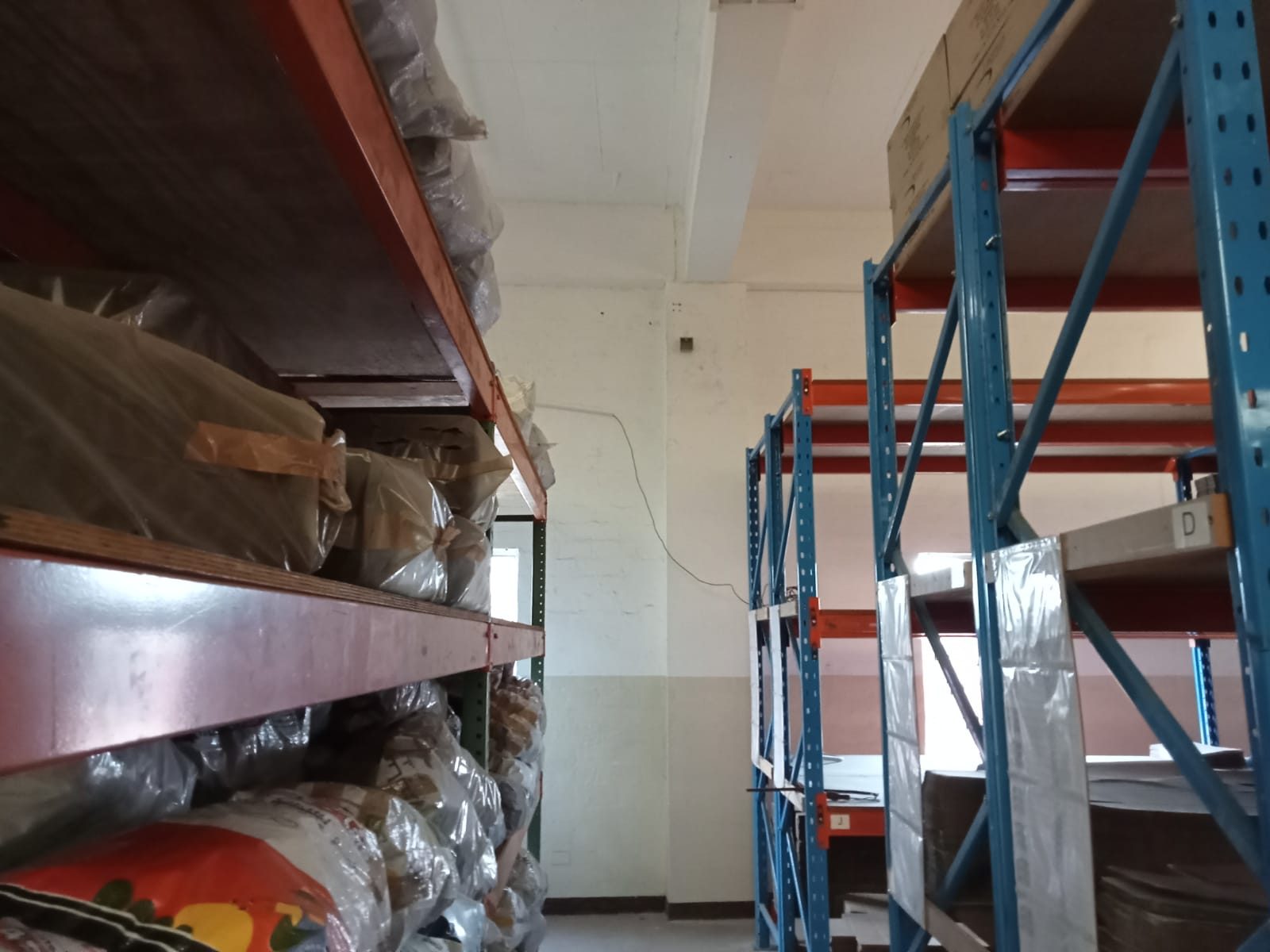
CCTV for a factory or industrial site is not just a bigger version of a home camera system.
The scale changes. The risks change. The environment changes. The people using the footage change.
In a home, CCTV is often about perimeter awareness, gate visibility, driveway movement and remote viewing. In a factory, warehouse, cold store or industrial yard, CCTV may also support operations, staff safety, production disputes, delivery records, access events, stock movement and after-hours monitoring.
That changes the way the system should be designed.
DG Technologies has worked on commercial CCTV and infrastructure projects where the camera system had to be treated as part of the site backbone, not as a camera package. Our CCTV installation work for business environments starts with the building and the operational need.
Factory CCTV must follow the process flow
A factory has movement patterns.
People arrive. Vehicles enter. Stock moves. Deliveries happen. Dispatch happens. Staff move between areas. Contractors enter. Cleaning teams work after hours. Gates, doors, loading bays and restricted areas all matter.
The CCTV design should follow those movements.
Useful industrial CCTV zones may include:
- main gates
- vehicle entrances
- loading bays
- dispatch points
- stock rooms
- warehouse aisles
- cold rooms
- staff entrances
- public reception areas
- restricted doors
- perimeter lines
- yards and parking areas
- server or equipment rooms
The camera system should help the business understand what happened, where it happened and who was involved.
That means camera placement must be deliberate.
Awareness, identification and evidence are different views
Industrial CCTV often fails because one camera is expected to do every job.
A wide camera may show a whole yard. That is useful for awareness. It may not identify a person clearly. A tighter camera may capture a gate or doorway well. It may not show the wider context.
Factories usually need both.
For example, a loading bay may need one view showing the bay activity and another view showing the vehicle or person at the point of entry. A warehouse aisle may need cameras placed to show movement direction, not just a general overview from one corner.
The question is not only “can we see something?”
The question is “will this footage answer the question the manager will ask later?”
Cable distances and cabinet locations matter
On a house, camera cable runs may be fairly short.
On an industrial site, distances can quickly become a design issue. Cameras may be spread across warehouses, offices, cold rooms, yards, outbuildings or multiple structures.
That affects:
- Cat6 distance limits
- cabinet locations
- PoE switch placement
- fibre uplinks
- trunking routes
- cable protection
- maintenance access
On larger sites, it may make sense to use distributed cabinets with fibre links rather than forcing every camera run back to one distant location. That decision needs network knowledge, not just camera knowledge.
This is why industrial CCTV should be designed with network infrastructure from the beginning.
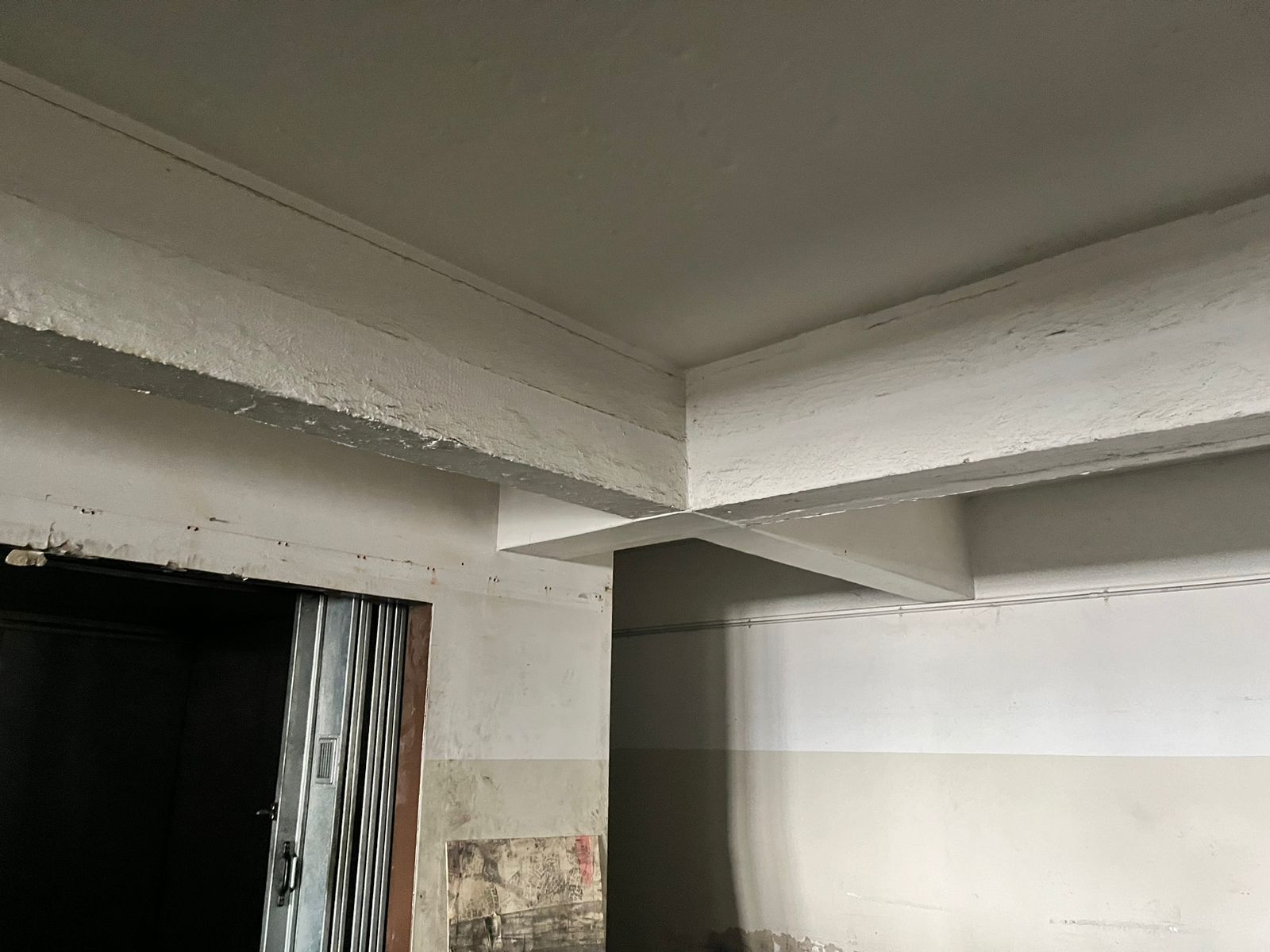
Industrial environments are harder on equipment
Factories and warehouses are not gentle environments.
There may be dust, moisture, vibration, temperature changes, refrigeration, cleaning, forklifts, roof work, maintenance teams and heavy movement. Cable routes can be damaged. Cameras can get dirty. Junction boxes can be opened. Network cabinets can become crowded.
The installation should allow for this reality.
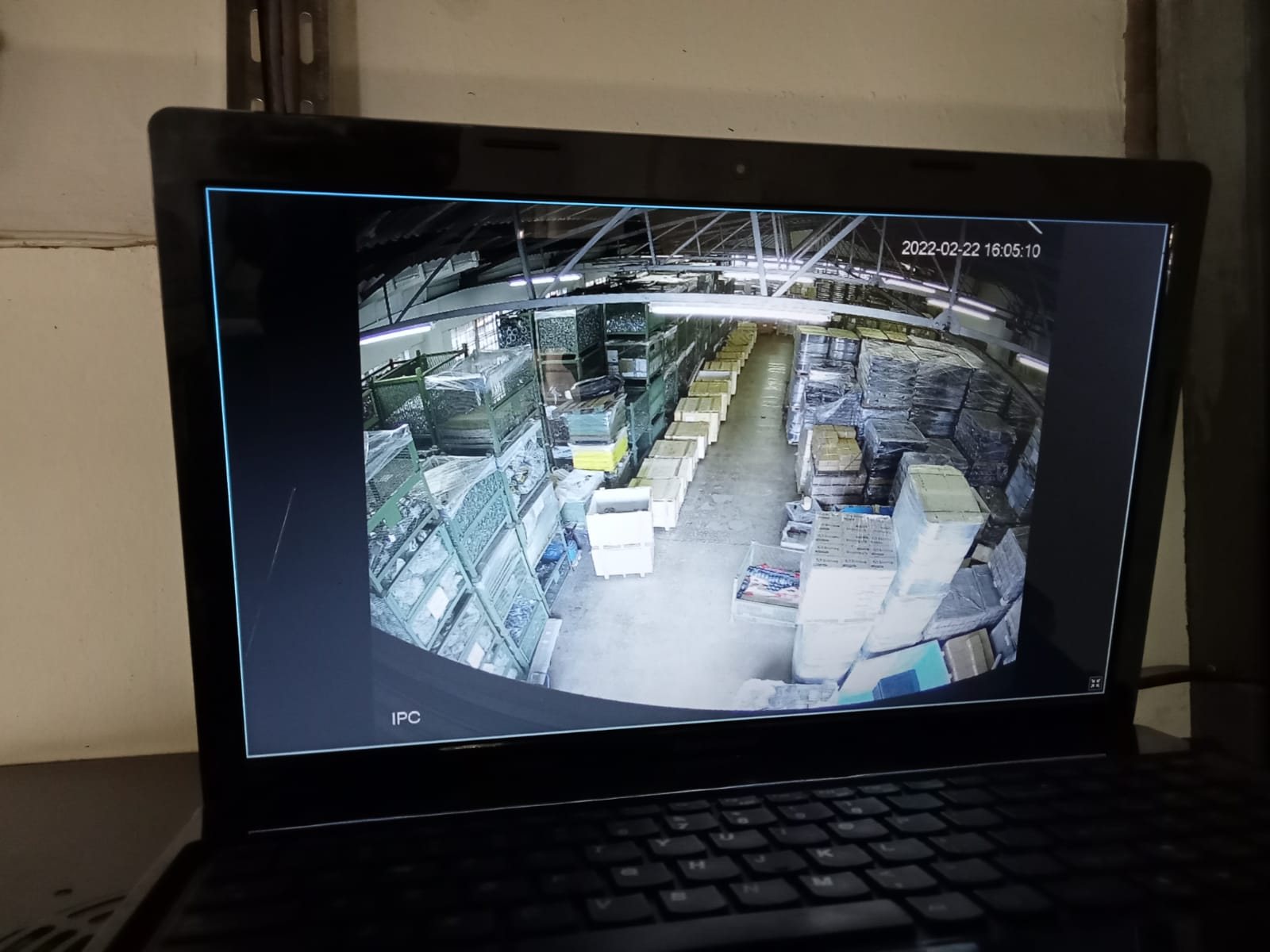
Industrial CCTV has to respect the way the site moves. Forklifts, loading areas and equipment routes change the way cameras, cable protection and service access should be planned.
Good containment, labelling and service access are part of the system. If a camera fails, the technician should be able to trace it. If a cable route serves multiple cameras, it should be marked. If a cabinet contains PoE switches, the layout should make sense.
Neat work is not only about appearance. It reduces downtime.
Recording retention should match business risk
Factory CCTV footage may need to be reviewed days or weeks after an event.
That means recorder design is important.
The system should consider:
- number of cameras
- resolution
- frame rate
- compression
- continuous or motion recording
- storage size
- retention requirements
- manager access
- export process
- backup power
If the business discovers a stock discrepancy too late and footage has already overwritten, the system has failed the business need.
For some sites, high-resolution continuous recording may be necessary. For others, motion-based recording and analytics may be enough. The correct answer depends on the site and the risk.
Access control and CCTV should be linked conceptually
Industrial premises often have access control at staff doors, restricted areas, gates or offices.
CCTV should be planned around those access points.
If a door access event occurs, the camera view should make sense. If a gate opens after hours, the footage should show the vehicle or person clearly. If a contractor enters a restricted area, the system should help confirm what happened.
CCTV and access control do not always need to be technically integrated on day one, but they should be designed with each other in mind.
Support is part of the industrial CCTV design
Factories change.
Shelving moves. Stock routes change. Offices are added. Fibre providers replace routers. Managers change phones. More cameras are needed. Equipment gets moved.
If the CCTV system is undocumented, every change becomes harder.
A professional industrial CCTV installation should leave behind enough information for future support:
- camera names
- camera locations
- cable routes where known
- switch and port references
- NVR details
- user access notes
- power backup notes
- network notes
That support record is part of the value.
For Durban and KZN factories, warehouses and industrial premises, a good CCTV system should protect the site, support operations and remain understandable years later.