Megapixels are easy to sell.
They are printed on boxes, written on quotations and easy for a client to compare. A 6MP camera sounds better than a 4MP camera. An 8MP camera sounds better again.
But CCTV does not become useful because the number is bigger.
It becomes useful when the camera shows the right detail at the right distance.
A wide picture can still miss the evidence
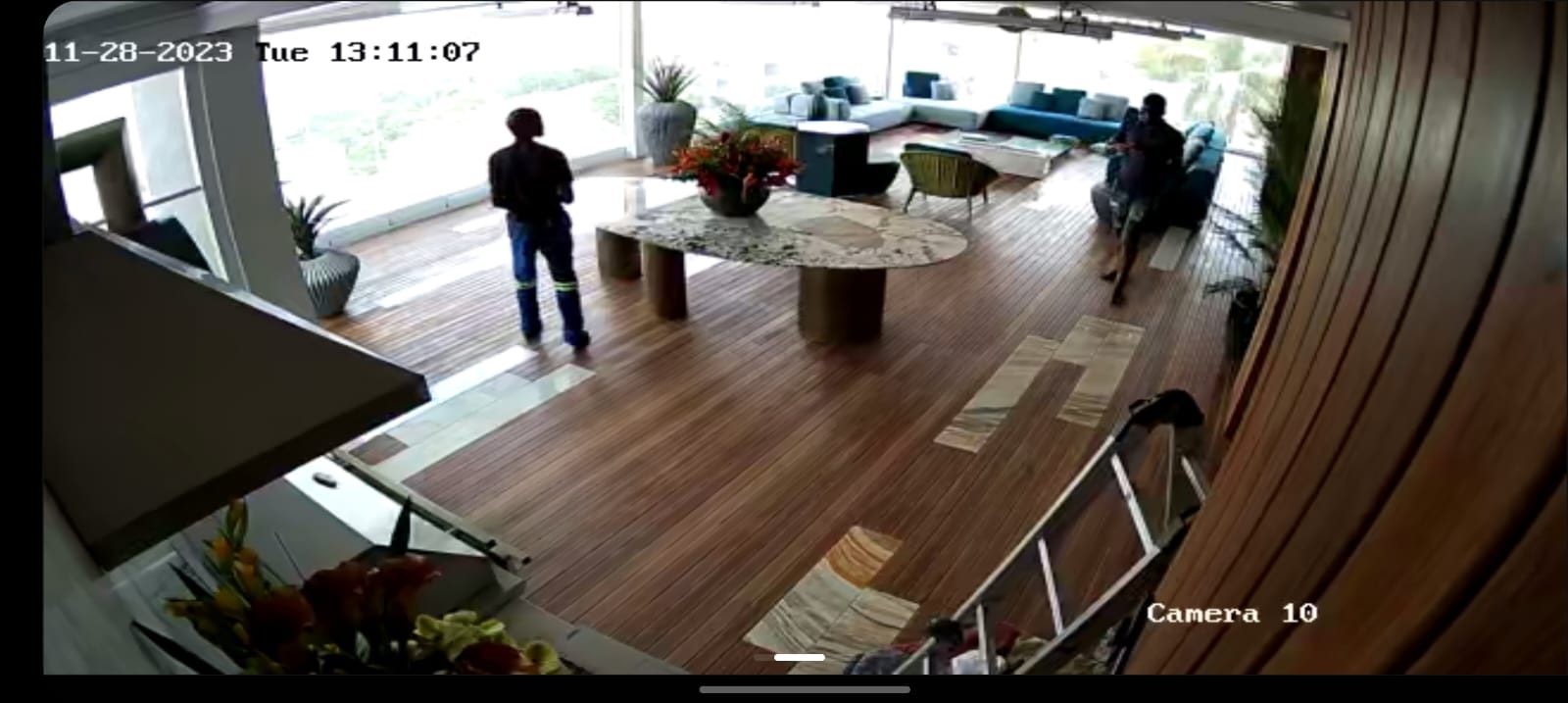
Many cameras are installed too wide.
The client can see the whole driveway, loading bay, yard or passage, but the face, number plate or hand movement they need later is too small in the image. The camera technically captured the event, but it did not capture enough detail to answer the question.
That is not a megapixel problem only.
It is a lens and positioning problem.
The question comes before the camera
Before choosing a camera, the installer should ask what the camera must prove.
Is it there to show that a vehicle entered? Is it there to identify a face? Is it watching a gate, a till, a warehouse door, a driveway, a loading bay or an outdoor perimeter? Is the subject close, far, moving, backlit or walking across the frame?
Each answer changes the camera choice.
Distance changes everything
A camera mounted high and far away may give a clean overview, but overview is not identification.
If a person or vehicle is too far from the lens, extra resolution may not solve the problem. The installer may need a narrower lens, a second camera, a different mounting height or a separate identification view.
Professional CCTV design often uses a mixture of overview and detail cameras.
One camera shows what happened.
Another camera proves who or what was involved.
Night performance must be considered too
Lens choice and camera position also affect night footage.
Infrared reflection, headlights, shiny surfaces, rain, insects, dust and poor lighting can all reduce usable detail. A camera that looks impressive during daytime setup may not perform the same way at night.
That is why final camera views should be checked against real site conditions wherever possible.
Fixed lens and varifocal cameras solve different problems
Not every camera needs the same lens type.
A fixed lens camera may be ideal where the distance and view are known. A varifocal camera may be useful where the installer needs to tune the view onsite. The decision should follow the purpose of the camera and the practical constraints of the position.
Using the wrong lens can leave the client with a beautiful image of the wrong thing.
The quote should explain the camera purpose
A professional CCTV proposal should not only list camera models.
It should explain why certain views are being covered, what the important areas are and where the limitations sit. If a camera is an overview camera, the client should understand that. If a camera is intended for identification, the position should support that goal.
This avoids disappointment later.
It also makes the system easier to defend when someone asks why a camera was placed in a particular position.
DG Technologies’ view
DG Technologies does not design CCTV around camera count alone.
The better question is: what must the system prove when the footage is needed?
Megapixels matter, but they are only one part of the decision. Lens angle, distance, height, lighting and camera purpose decide whether the footage is useful or just technically recorded.