When clients compare CCTV quotations, the first instinct is usually to compare camera prices.
That makes sense. Cameras are visible. A recorder is visible. Hard drives are listed. Labour has a number next to it. It feels like the whole system can be judged by adding up the boxes.
But a professional CCTV installation is not only a hardware purchase.
You are paying for decisions.
You are paying for someone to know where a camera should go, where it should not go, what lens makes sense, how the cable should route, how the recorder should be configured, how the network should be protected, how footage should be retrieved and how the system will be supported months or years later.
That is why two CCTV quotes can look similar on paper and behave very differently onsite.
DG Technologies approaches CCTV installation as a complete security and network system, not as a box sale.
The quote starts before the camera list
Good CCTV design starts with questions:
- What are we trying to protect?
- What incidents have happened before?
- Which entrances matter most?
- Who needs access to footage?
- How long should footage be retained?
- Is the site a home, estate, warehouse, factory or office?
- Is remote viewing required?
- Will guards, managers or house staff use the system?
- Is there existing network infrastructure we can trust?
These questions affect the equipment list.
If the system is for a small home, the answer may be simple. If the system is for a larger property, business or industrial site, the design becomes more serious. Camera count, storage, PoE switching, power protection, cabinet space, fibre links, user permissions and handover all start to matter.
Hardware margin is not the full value
Clients sometimes ask what margin is being made on CCTV hardware.
That is a fair question.
But the bigger question is whether the installed system will do what the client expects when it matters.
A professional installer is not only supplying a camera. They are taking responsibility for whether the system works as a whole.
That includes:
- selecting suitable products
- sourcing reliable stock
- testing compatibility
- planning storage
- managing network settings
- configuring mobile access
- naming cameras properly
- setting recording schedules
- checking playback
- training users
- returning when something needs attention
If those parts are not included, the cheapest quote may not be cheaper in the long run.
Labour is where quality often lives
Good CCTV labour is not only drilling holes.
It includes cable routing, weatherproofing, terminations, alignment, setup, labelling, testing and documentation.
Small workmanship details matter:
- whether the camera is mounted square
- whether the cable is protected
- whether water can run into the connection
- whether the view is checked after installation
- whether the NVR sees the correct camera
- whether the camera name makes sense
- whether the app works away from the property
- whether footage can be exported
These details are not glamorous, but they are the difference between a security system and a collection of cameras.
Network planning is part of CCTV now
Modern CCTV often runs over IP.
That means the network is part of the system.
If a router is replaced, if IP reservations disappear, if a PoE switch is overloaded, or if remote access is set up carelessly, the camera system can become unreliable.
For larger homes and business sites, DG Technologies prefers to understand the network properly. We want to know where the recorder sits, how cameras are powered, which switches are used, how remote access is handled and how the system recovers after power failures.
This is not unnecessary complexity. It is how modern CCTV remains supportable.
Commissioning matters
Commissioning is the stage where the installation becomes a working system.
It should include:
- camera focus and angle checks
- day and night view review
- recorder time and date checks
- storage retention checks
- app login setup
- user permission setup
- playback testing
- footage export testing
- handover to the right people
Without commissioning, a CCTV system can look finished while still being incomplete.
The client may only discover the problem after an incident.
That is too late.
Cheap can still be expensive
There is nothing wrong with budget-conscious CCTV.
Not every property needs the most expensive hardware. A smaller home may be perfectly served by a more cost-effective system. A simple Tapo setup can be excellent in the correct use case. Hikvision and Dahua can scale beautifully for larger jobs when the supporting infrastructure is right.
The problem is not cheaper equipment.
The problem is poor design.
If the wrong product is used in the wrong place, or if the installation ignores cabling, power, network and support, the client pays later in frustration, callouts and missed footage.
The right quote should explain the system
A professional CCTV quotation should help the client understand what they are buying.
It should not hide behind jargon. It should explain why the system is designed the way it is and where money is being spent.
At DG Technologies, the goal is not to sell the biggest possible CCTV system. The goal is to install a system that makes sense, works reliably and can be supported properly.
That is what you are paying for.
Not just cameras.
The thinking behind them.
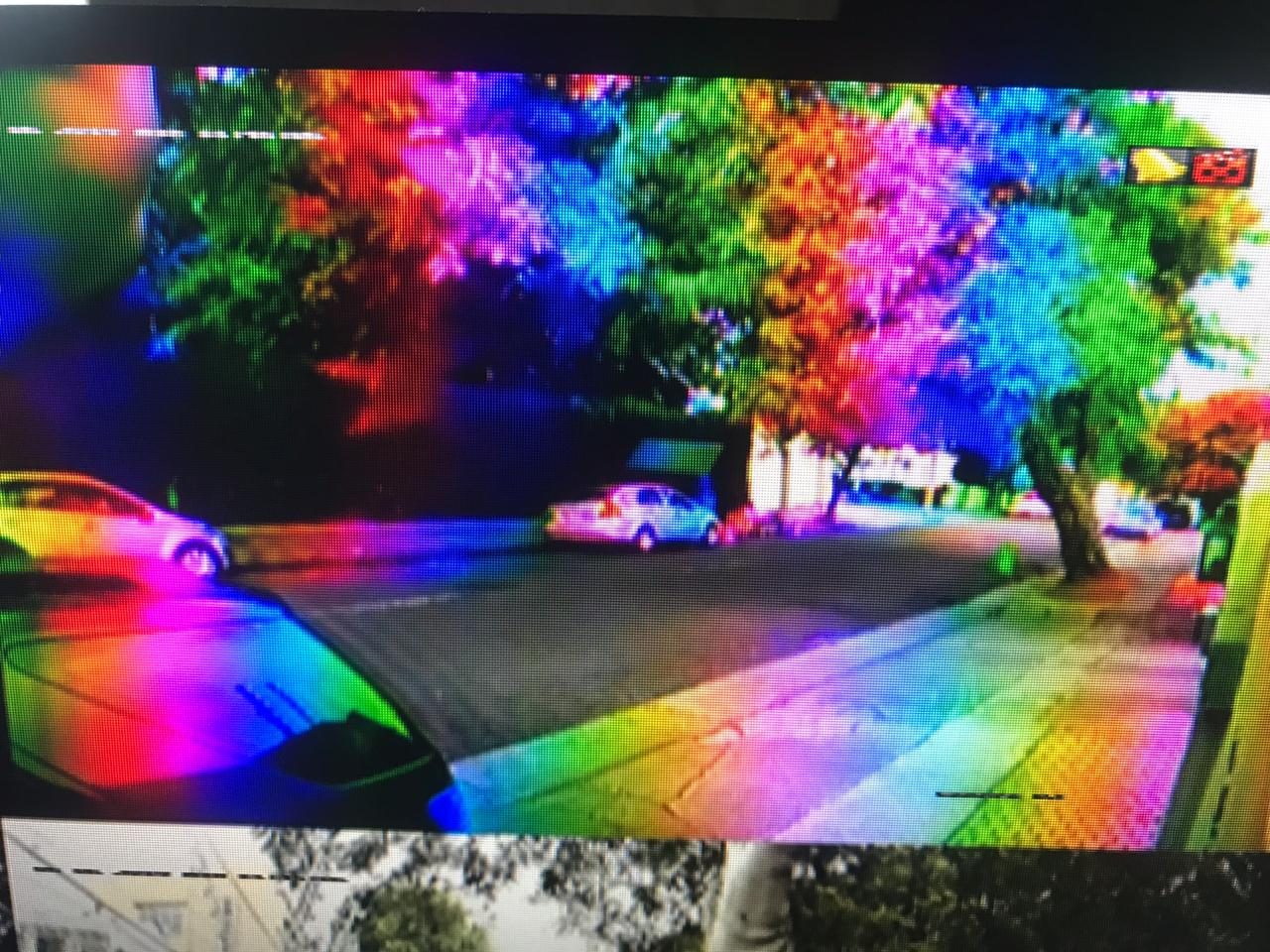
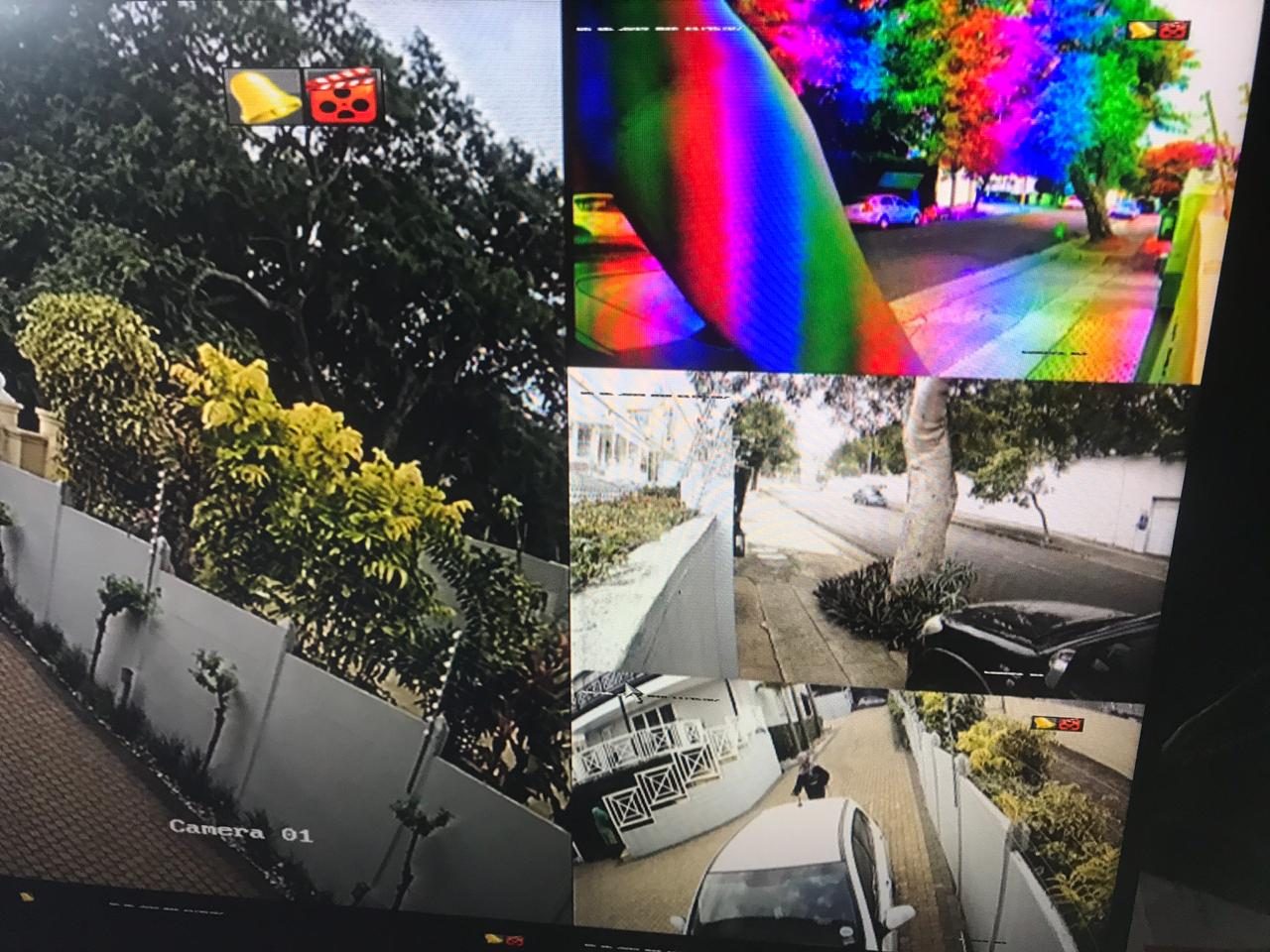
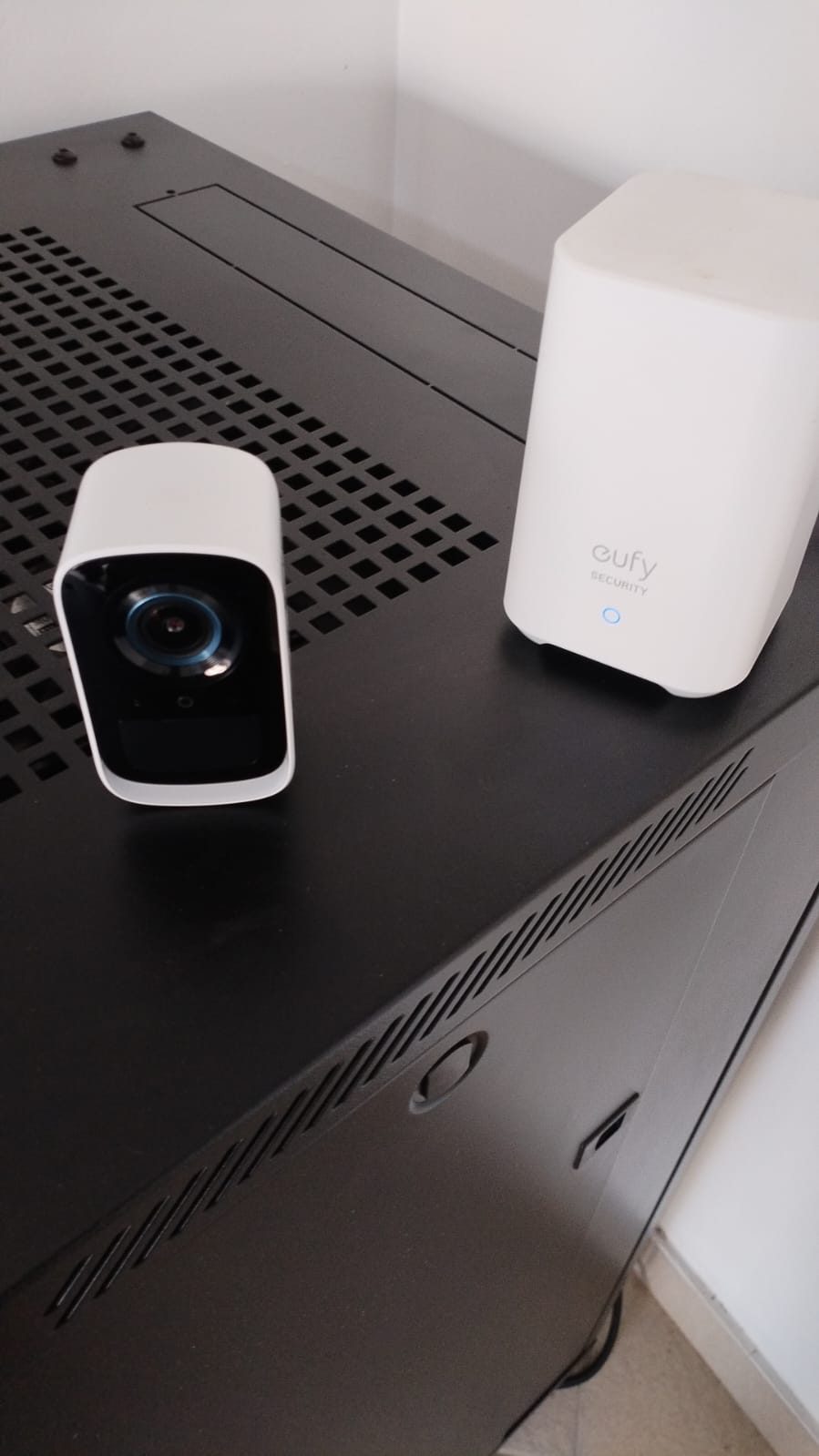
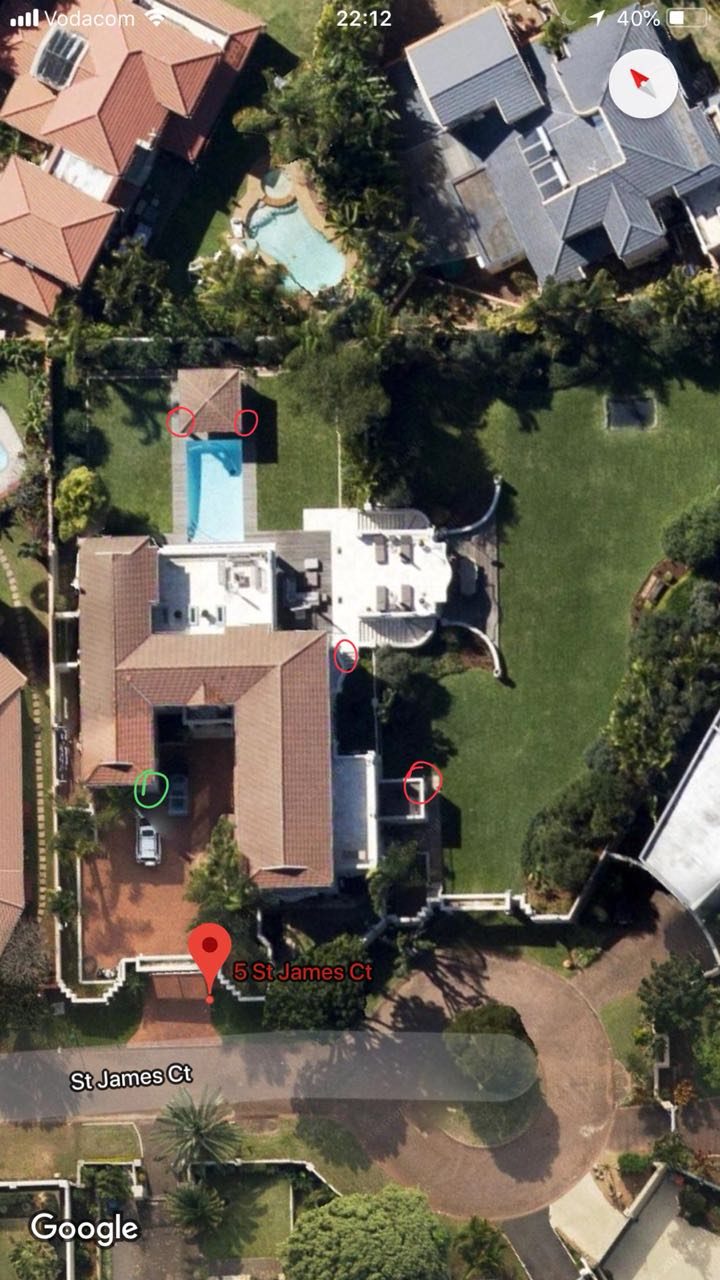
Field images from DG site work