The archive has a wonderful 1983 advert for a JVC stereo sound system. It mentions an integrated amplifier and a two-way speaker system.
That is old language now, but the excitement behind it is familiar.
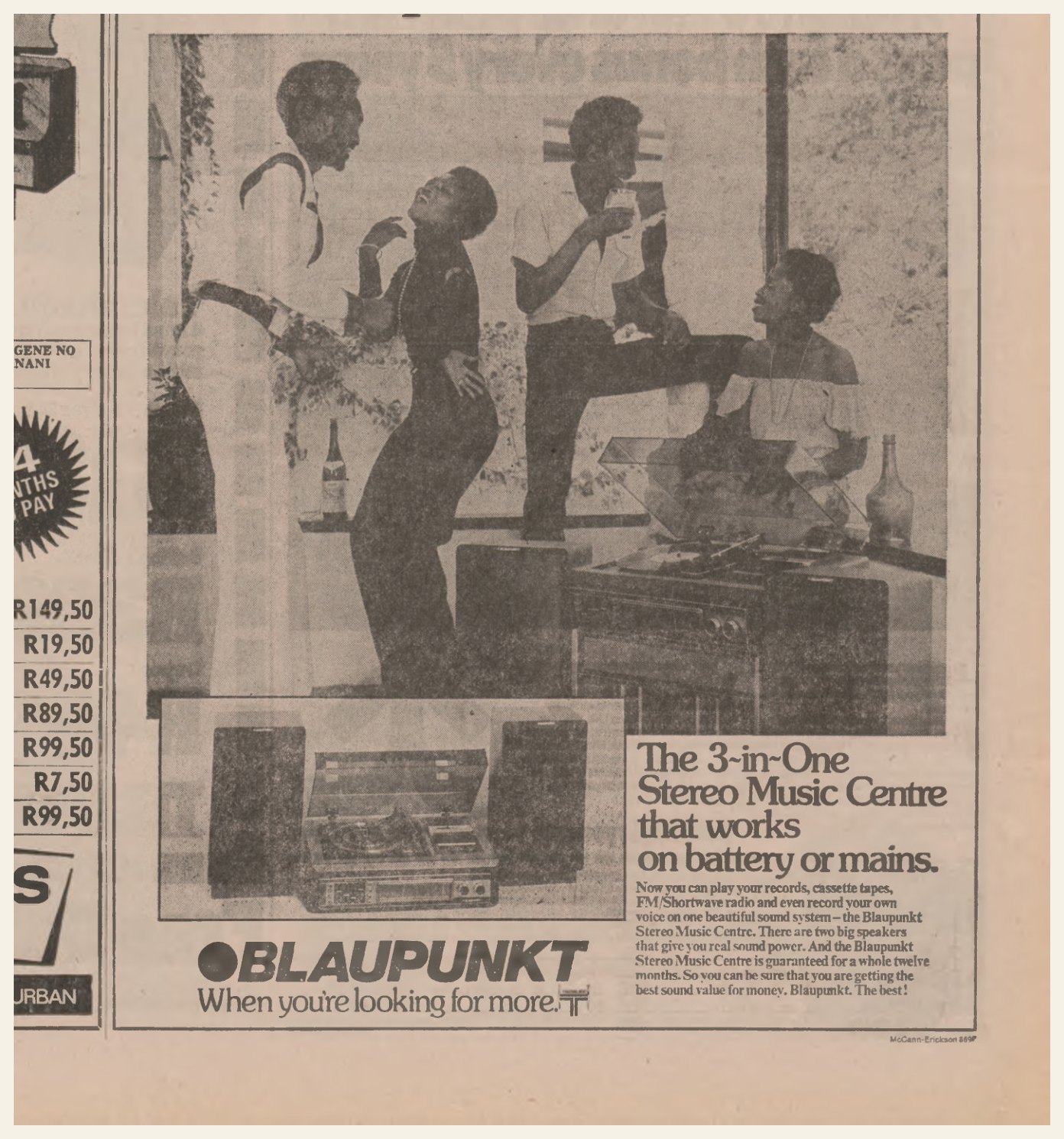
People wanted better sound in the room.
They still do.
The room changed, not the desire
The classic stereo system was usually visible. Amplifier, tape deck, speakers, cabinet, cables and the proud owner who knew exactly how it all worked.
Modern premium homes often want the opposite.
They want sound in the kitchen, patio, lounge, bedroom, cinema room and bar, but they do not want equipment everywhere. They want music to feel natural, not like a stack of boxes has taken over the architecture.
That shift changed the job completely.
The modern audio integrator has to think about:
- where the speakers disappear
- how zones are grouped
- whether two rooms should share one source
- how ceiling height affects coverage
- how patios affect volume and bass
- where amplifiers will be serviced
- what happens when Wi-Fi or streaming accounts change
Multiroom audio is not just more speakers
One of the easiest mistakes is to count rooms and then sell a zone per room.
That is not always intelligent.
Sometimes the kitchen and dining room should behave as one area. Sometimes the patio needs more independent control. Sometimes a bedroom wants simple TV audio, not a separate music zone. Sometimes an existing amplifier is worth keeping.
Good audio design is not about forcing a catalogue structure onto a home.
It is about understanding how the client moves through the property.
What the old adverts help us remember
The old stereo advert made sound tangible. It was about an amplifier, speakers and the promise of a better listening experience.
Modern systems can become abstract because the equipment disappears into racks and ceilings.
But the client still judges the result in the same way:
Does it sound good?
Is it easy to use?
Does it work when people are actually in the room?
That is why the old Durban audio thread still matters. The technology moved from visible stereo systems to hidden distributed audio, but the real product is still the feeling in the space.