One of the older threads in the Durban archive is surprisingly simple: people wanted dependable light.
The 1937 Ilanga adverts for electric torches are not about luxury. They are about seeing the road, seeing danger, moving safely and not being left in the dark.
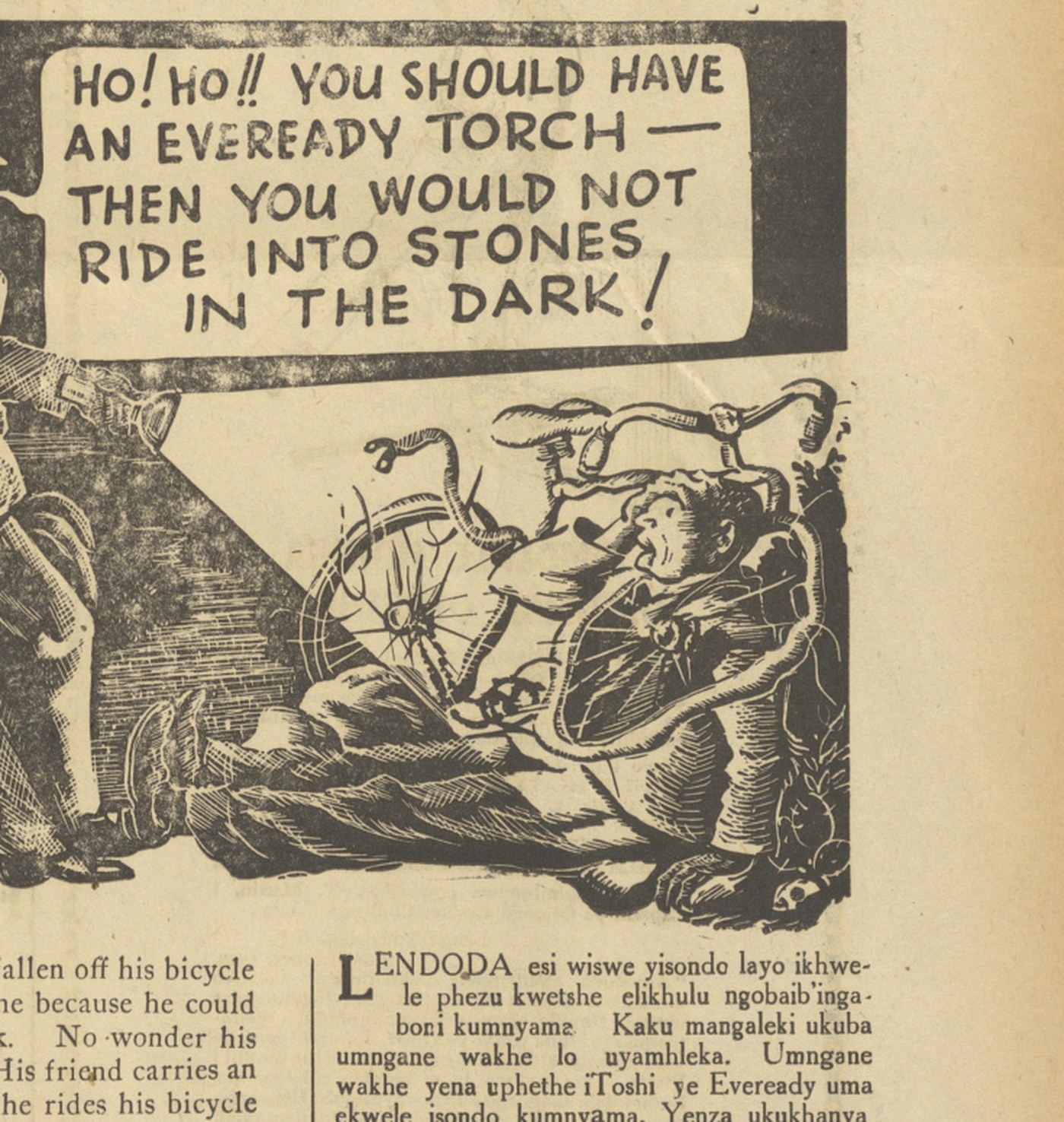
That sounds a long way from Crestron lighting scenes, dimming modules and architectural keypads.
But the basic human need has not changed much.
Lighting is not only decoration
When lighting control is discussed badly, it becomes a conversation about fittings, dimmers and expensive switches.
That is the wrong starting point.
The better question is: what should the person be able to do safely, comfortably and easily in that moment?
In a Durban home today, that may mean:
- arriving at a gate at night
- walking from a garage into the house
- moving through a passage during load shedding
- dimming a cinema room without losing step lighting
- turning on a bathroom at night without flooding the bedroom with light
- giving staff and guests obvious control without explaining the whole system
The old torch adverts were primitive compared with modern control systems, but their message was clear. Light had a job.
The lesson for smart homes
I often push clients away from paying for features that will not improve daily life.
Every circuit does not need to be dimmed. Every keypad does not need ten buttons. Every room does not need a complicated scene list.
But the areas where movement, safety and atmosphere matter should be planned properly.
A well-designed lighting-control system is not there to impress someone for five minutes. It is there to make the house behave properly at 6am, at midnight, during a dinner, during a storm and when the inverter takes over.
Durban homes make this more important
South African homes are usually built from dense materials. Concrete slabs, brick walls and heavy finishes change how light, Wi-Fi, sound and cabling behave.
Lighting control has to respect that physical reality.
If the lighting DB, keypad positions, emergency paths and backup power behaviour are not discussed early, the house may look beautiful on a drawing and become awkward in real use.
The archive reminds me that technology is at its best when it solves a plain human problem.
In 1937, that problem was carrying a torch so you could see what was ahead.
In a modern KZN home, it may be a pathway scene, a soft night scene, an arrival scene, or a backup-power scene that keeps the right lights alive when everything else can wait.
Different equipment.
Same principle.