When people talk about a smart home, they often treat it as if the idea arrived with an app.
The technology changed, but the desire is much older than that.
People have always wanted the same thing: to bring information, entertainment, control and security closer to where they live. A modern touch panel is new. The instinct behind it is not.
That is why the Durban history archive is useful. It lets us see pieces of the same story appearing long before Wi-Fi, IP cameras and Crestron Home existed.
Wireless was already part of domestic imagination
One Natalia archive lead records a memory of wireless arriving in a Natal home in 1924: a one-valve crystal set with headphones, built by a local printer. That detail matters because it shows technology entering the home as an event, not as a commodity.
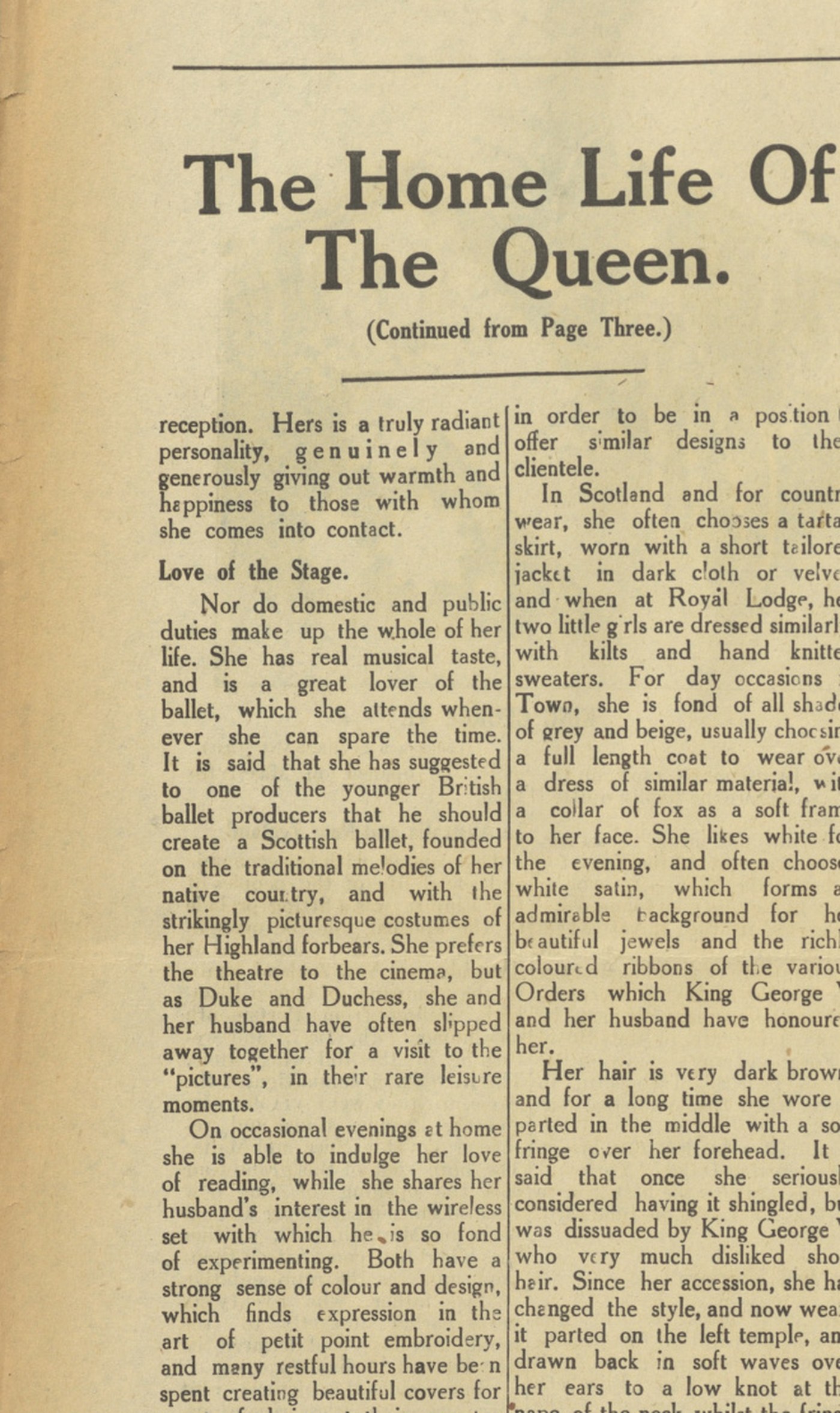
By 1937, Ilanga also carries domestic references to a wireless set. It was no longer only a technical curiosity. It had become something people associated with ordinary evenings at home.
That is the first thread I see: a home becoming connected to the outside world.
Television made signal quality a household problem
By the 1980s, the archive shifts from wireless sets to television, VCRs, aerials and remote controls. One 1983 Ilanga reference around TV1, TV2 and aerials is especially interesting because the concern is familiar: the equipment may exist, but the signal is not right.
That same problem still exists in different clothing.
Today it may be HDMI over fibre, DStv distribution, streaming boxes, video matrices, Wi-Fi saturation or Apple TV handshakes. The principle has not changed much. A picture on a screen depends on the infrastructure between the source and the display.
Remote control was an early control interface
A 1983 television advert in Ilanga refers to infra-red remote control. At the time, that was a premium convenience. Today, people expect one app, one remote, one keypad or one scene to make multiple systems behave together.
That historical link is useful because it reminds us what integration is really about.
The client is not buying a button. The client is buying less friction between an intention and the room responding.
Security and automation were already grouped together
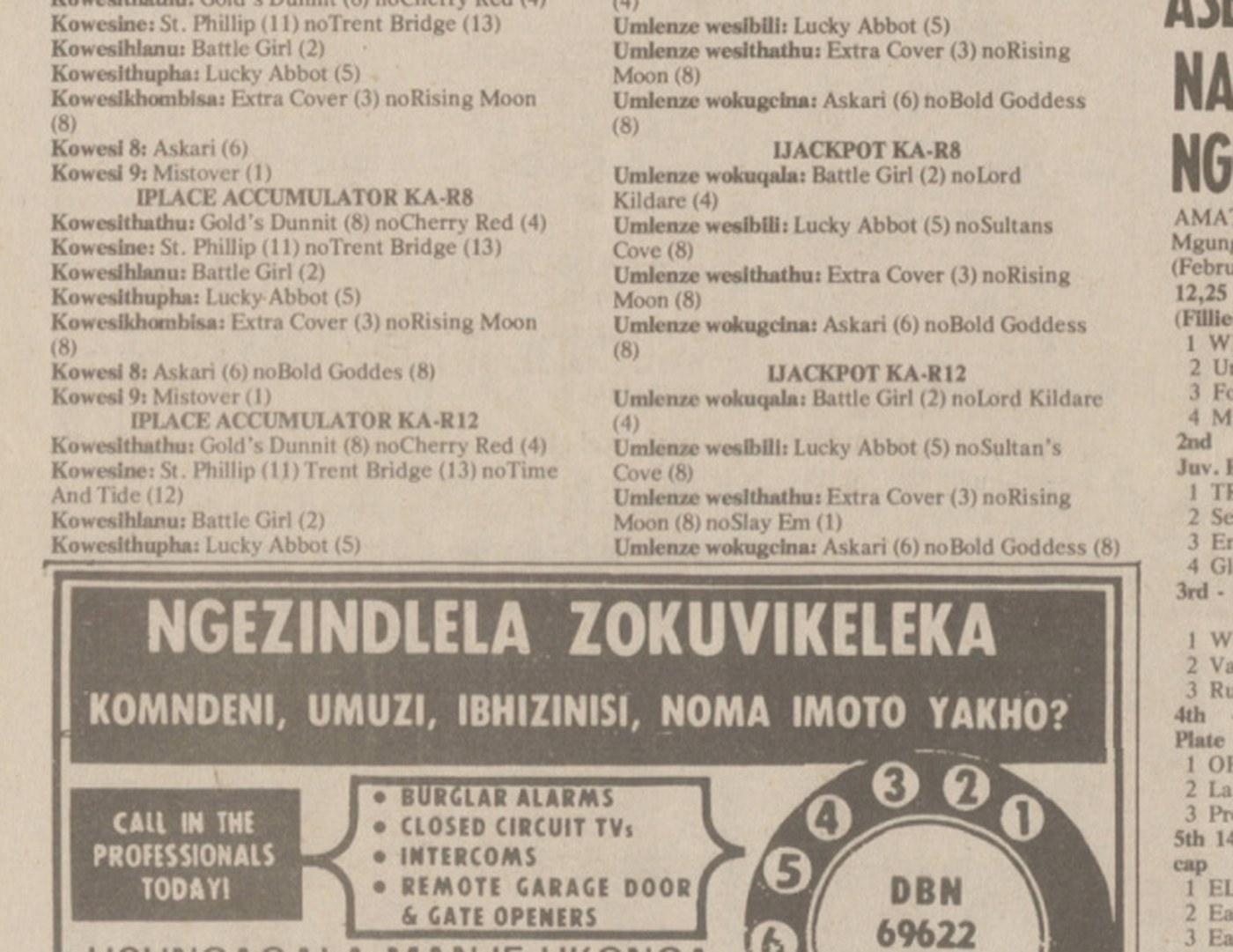
The clearest DG-related archive lead is a 1984 Ilanga security advert. It groups burglar alarms, closed-circuit TVs, intercoms, remote garage door openers and gate openers in one commercial message.
That is close to the shape of modern integration.
The products have changed completely. The category logic has not. People wanted visibility, access control, intrusion detection and remote operation to work together around a home or business.
Why this matters to DG Technologies
I do not want to pretend that a 1984 newspaper advert proves anything about a modern installation. It does not.
What it does show is that Durban and KZN have had a long-running relationship with residential and commercial technology: signal problems, control convenience, security, intercoms, gates, cameras and entertainment systems.
DG Technologies sits in the modern version of that story.
We now design IP networks, PoE camera systems, fibre links, Crestron control, Wi-Fi coverage, boardroom AV, cinemas and structured low-voltage infrastructure. But in many ways, the questions are still familiar:
- How does the signal get there?
- Who controls it?
- Can the client actually use it?
- Can it be serviced later?
- Does it still work when the environment changes?
That is why I like this archive project. It gives us a local historical lens for the work we do every day.
Research note
This article is based on first-pass archive leads from the DG Technologies Durban History Archive. The sources should be treated as historical context, not as evidence about DG Technologies projects. Any deeper historical claim should be checked against the original archive record and page image before publication.