The 1984 security advert in the archive is useful because it does not treat security as one product.
It groups burglar alarms, closed-circuit TV, intercoms and remote garage or gate control together.
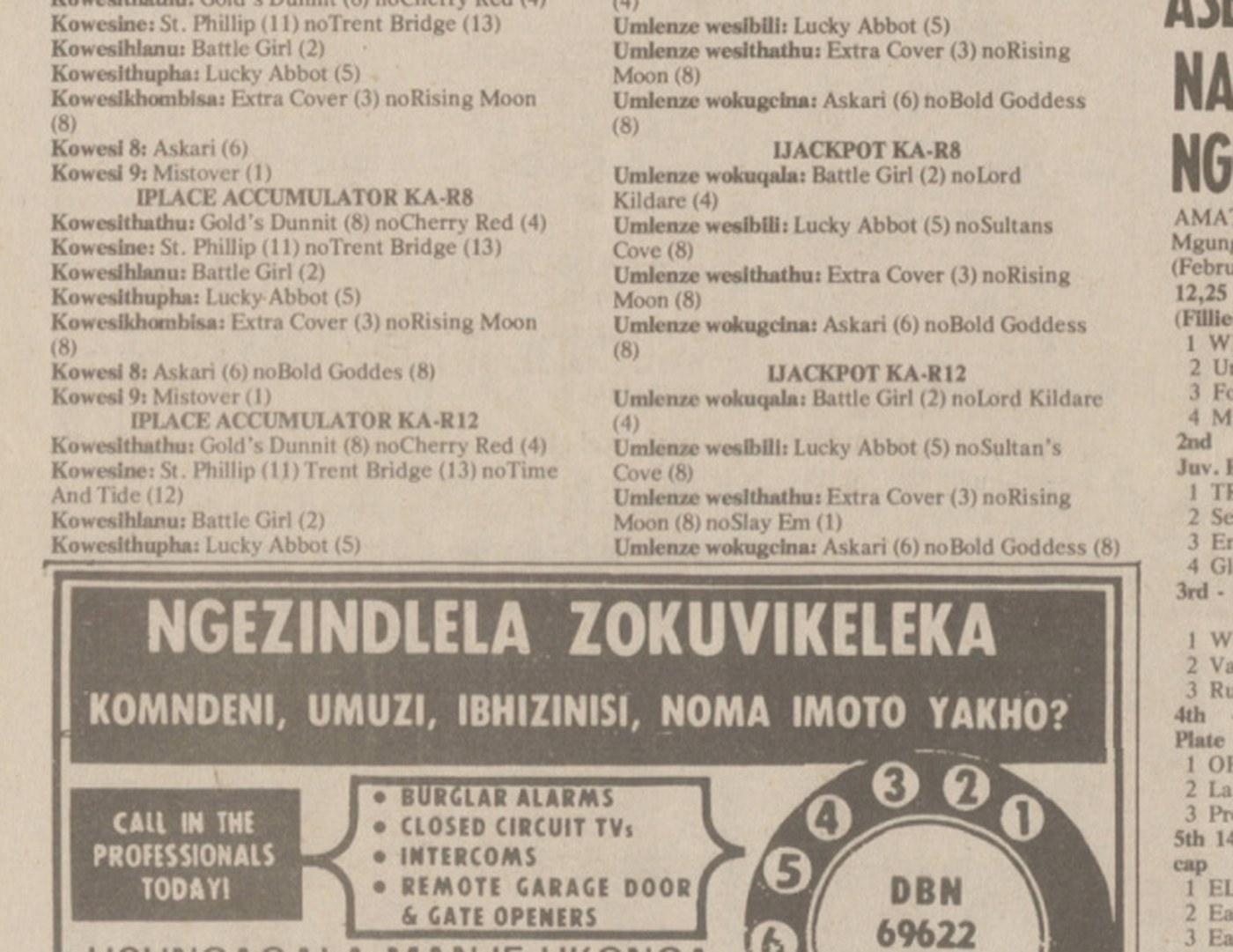
That is exactly how serious security still behaves.
The products have changed. The logic has not.
Security systems are connected by behaviour
A camera does not only record.
An intercom does not only ring.
A gate motor does not only open.
An access-control reader does not only unlock a door.
On a properly designed site, these pieces support each other. The person at the gate should be visible. The door event should make sense in the logs. The camera name should match the real location. The owner should know who can open what, and when.
That is why commercial and premium residential security must be designed as a system.
Why separate quotes create weak sites
Problems start when every trade works in isolation.
One person supplies the gate motor.
Another supplies the cameras.
Another supplies the intercom.
Another supplies the network.
Another gets called when the app stops working.
Nobody owns the final behaviour.
That is when simple questions become difficult:
- Which camera sees the gate?
- Which device powers the reader?
- Where is the network point?
- Who has admin access?
- What happens when the router changes?
- Does the NVR still record during a power event?
The archive-backed point
Durban security marketing was already connecting these categories in the 1980s.
Modern IP technology makes the connections deeper, but it does not remove the need for system thinking.
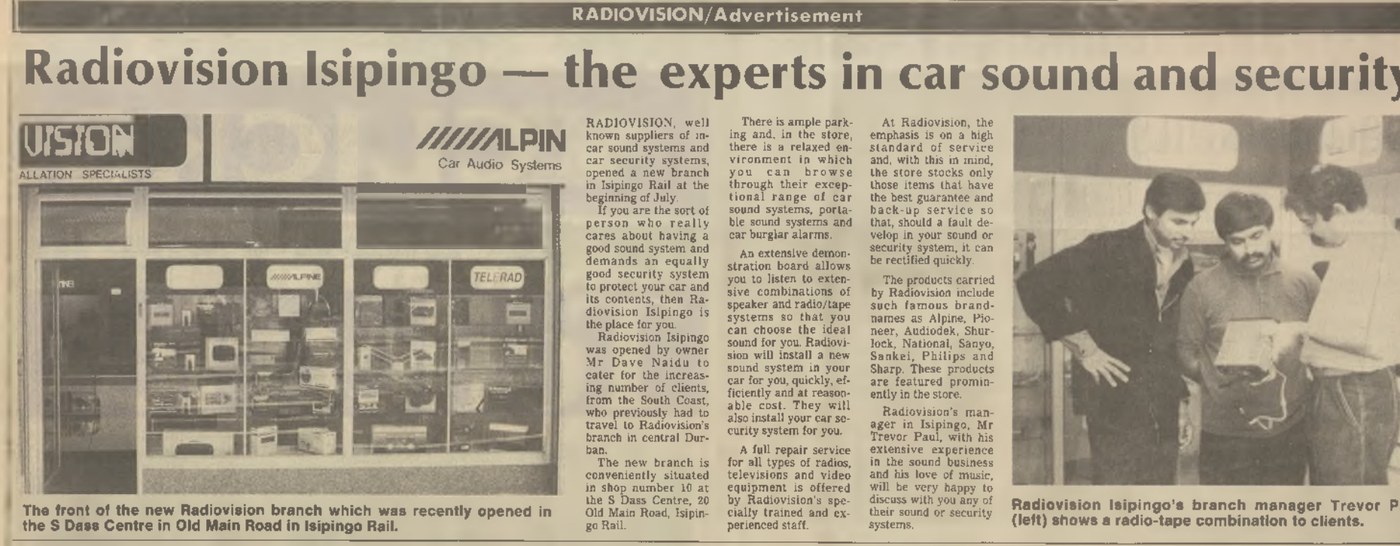
At DG Technologies, this is why we care about the network, labels, naming, power, cabinet layout, user permissions and after-hours support.
The camera, intercom and gate are only useful when the site behaves correctly as a whole.
That was true before IP.
It is even more true now.