A support call can become difficult for a simple reason:
The person reporting the fault is not near the system.
They may be phoning from the office about a problem at home. They may be away from a holiday property. They may be in another room while staff are near the TV. They may be repeating a message from someone else.
That is sometimes unavoidable.
But when possible, support works much faster when the person on the call can see the affected equipment.
Second-hand fault descriptions lose detail
“The TV is not working” may be accurate, but it is incomplete.
The support team may need to know:
- Is the TV on?
- What source is selected?
- What message is on screen?
- Is the decoder powered?
- Is sound working?
- Is the app working?
- Is the remote responding?
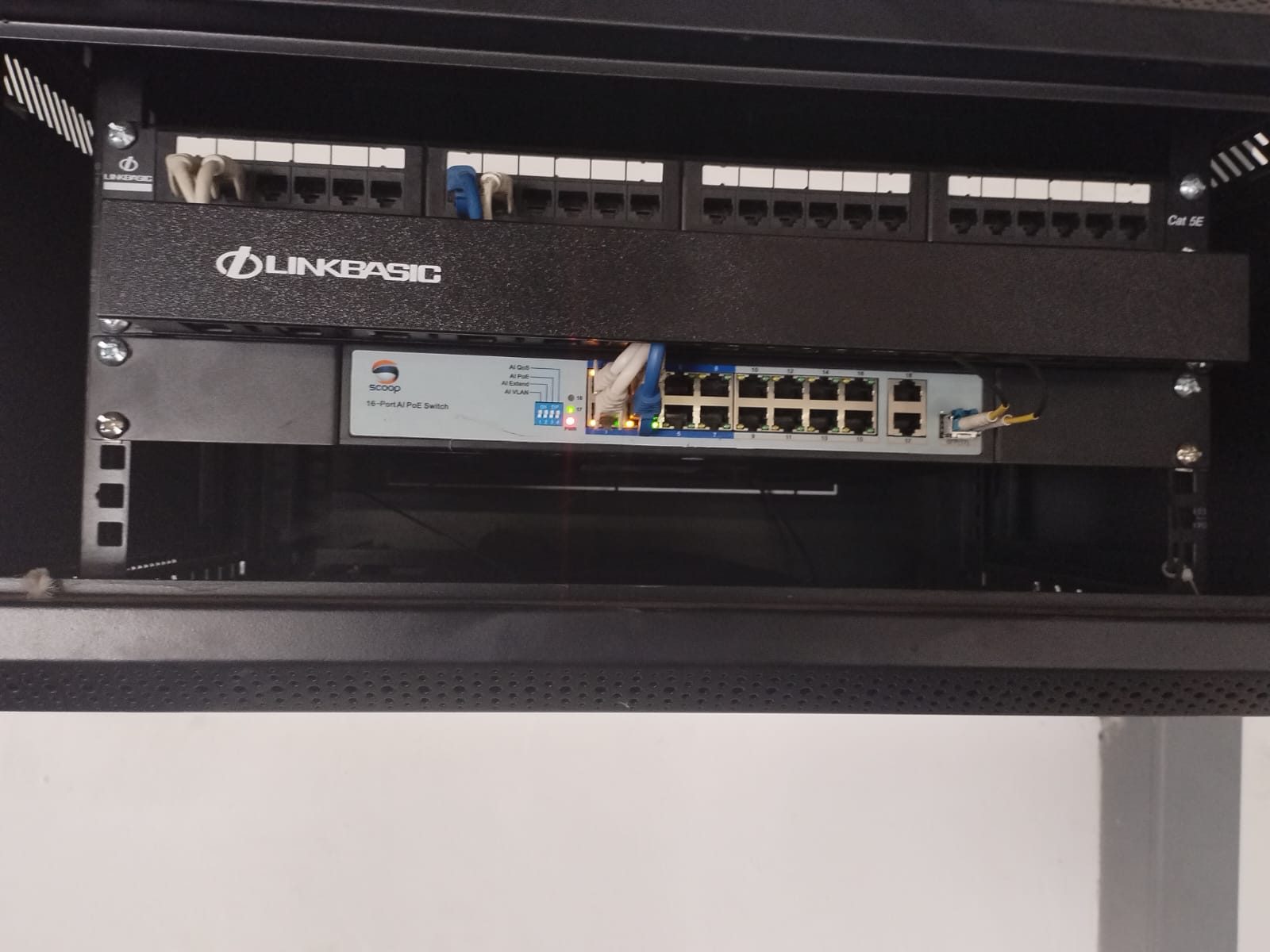
- Are rack lights on?
- Did only one room fail or several?
If the person on the phone cannot see the system, every question becomes a relay.
That slows everything down.
Being near the system allows simple tests
Many early support checks are harmless and quick.
Change input. Confirm a light. Press a known button. Check a power switch. Read an error message. Confirm whether one camera or all cameras are offline. Take a photo. Try the app from the affected room.
Those checks help separate user-interface issues from equipment faults.
They also help decide whether remote support is enough or whether a technician should attend site.
The room matters as much as the device
AV and automation faults are often room-specific.
A lounge issue may be different from a bedroom issue. A cinema fault may involve projector, amplifier, source, control and lighting scenes. A CCTV issue may depend on whether the user is local or away from home.
Standing in the affected room helps the support team ask better questions.
It also avoids assumptions.
The client may say “the main TV”, but a large home may have several important TVs. The room name matters.
The rack may need a second person
Sometimes the affected room and the equipment rack are in different places.
One person may need to stand at the TV while another checks the rack.
That is common in larger homes with centralised AV, distributed audio, CCTV recorders and network equipment.
If a technician says, “Tell me which light changes when you press that button,” someone needs to be near the equipment.
This is not because the system is badly designed.
It is because the system is centralised and professionally installed.
Holiday homes need a nominated contact
For holiday homes and managed properties, the owner may not always be onsite.
That makes a nominated local contact important.
The person does not need to be technical, but they should be able to:
- access the rack or affected room,
- send photos,
- read screen messages,
- confirm power,
- test a basic function,
- and follow simple support instructions.
Without that, even good remote support becomes limited.
Good support is a conversation with the real system
DG Technologies treats support as practical problem solving.
The more direct the information, the better the outcome.
Sometimes the best first step is not a reset, replacement part or site visit.
It is simply getting the right person in front of the right room, with the support team asking the right questions.
When the person reporting the fault can see what is happening, the conversation becomes useful.
The system stops being a vague complaint and becomes something that can be diagnosed.