When something stops working, the first question is often simple:
Who do we call?
In a modern home or building, that answer is not always one person.
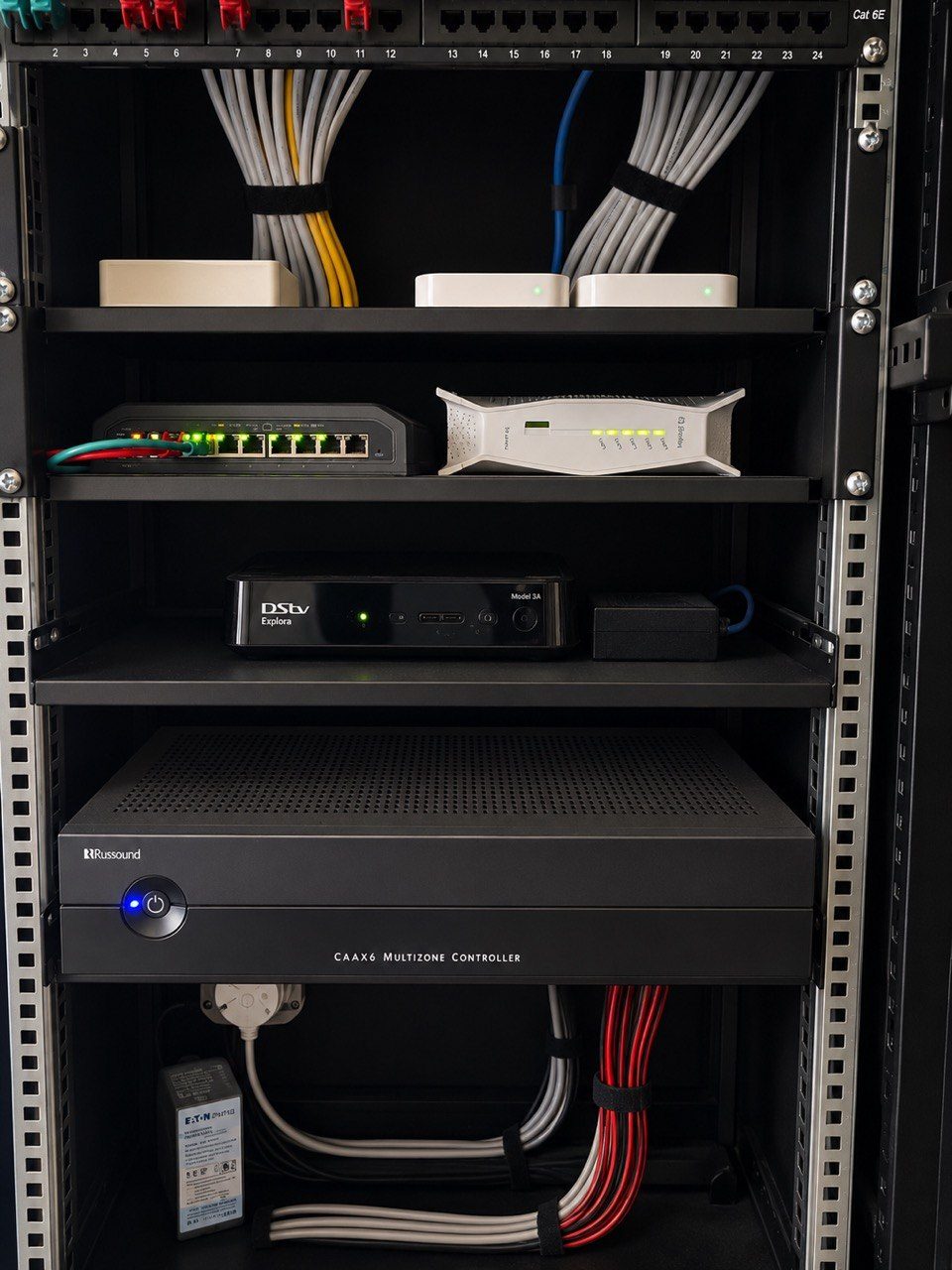
Fibre, Wi-Fi, CCTV, automation, electrical, gates, intercoms, alarm systems, audio, TVs, solar and backup power can involve different providers. If all contact details are stored in one chaotic list, the wrong person gets called first.
That wastes time.
Faults often cross system boundaries
A camera app may stop working because of the fibre router.
A music system may fail because the network switch is off.
A gate intercom may appear broken because the power supply tripped.
A smart-home app may not connect because the internet provider changed equipment.
The symptom is not always the source.
That is why support contacts should be organised by system and responsibility.
The first call should go to the right place
If the fibre line is down, the ISP needs to know.
If the rack UPS is in alarm, the technology support team should know.
If a breaker is tripping, the electrician may need to attend.
If the camera recorder is full or offline, the CCTV installer should investigate.
Clear support routing avoids unnecessary call-outs and delays.
House staff need simple instructions
In many premium homes, the owner is not the person standing in front of the fault.
House managers, guards, staff or family members may need to report the issue.
They need a simple list that says what to report, who to contact and what not to touch.
That is much better than asking someone under pressure to guess.
The list should be part of handover
A support contact list should not be created only after a problem.
It should be part of the handover pack.
It can include the systems installed, normal support channels, emergency contacts where appropriate and notes about third-party responsibility.
The list should also be updated when providers change.
DG Technologies wants support to start with clarity
Good support is not only technical skill.
It is also routing the problem properly.
When the right information reaches the right person first, faults are solved faster and with less frustration.
That starts with a support structure the client can understand.