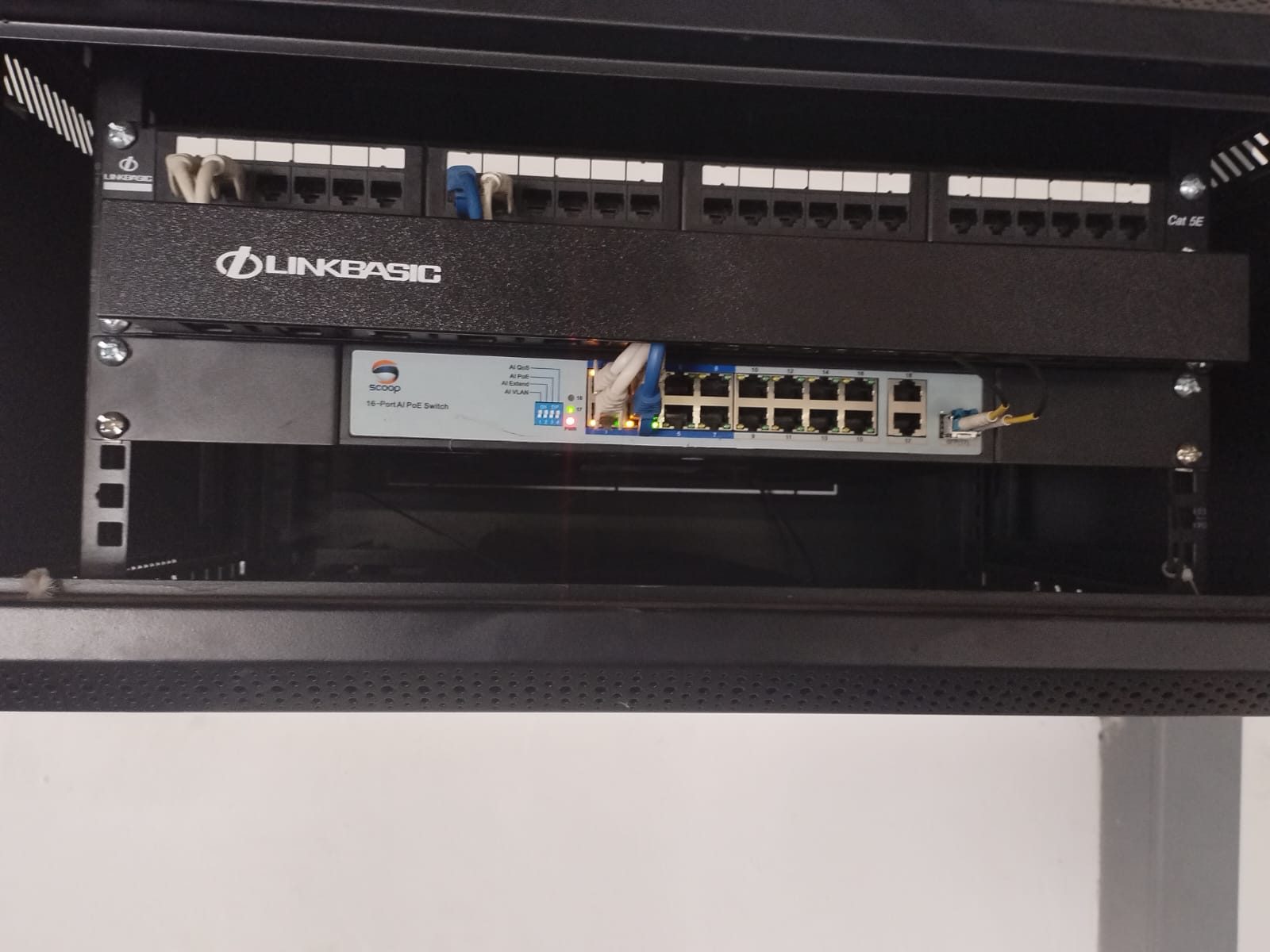
The more beautiful the finish, the less forgiving the mistake.
That is one of the quiet rules of high-end AV work.
In a basic room, a late cable route may be inconvenient. In a premium home, the same mistake may involve stone cladding, timber panelling, wallpaper, custom cabinetry, acoustic fabric, painted bulkheads or specialist lighting details.
Technology planning becomes more important as the finishes become more expensive.
Finished surfaces change the cost of correction
Before finishes, a correction may be simple.
Move a cable. Add a conduit. Adjust a speaker route. Shift a camera point. Improve an access point location.
After finishes, the same change can involve several trades.
The AV team may need the builder, painter, cabinetmaker, tiler, interior designer or stone contractor to get involved again. That turns a small technical issue into a larger construction issue.
Invisible technology needs early decisions
Clients often want technology hidden.
That is reasonable.
But hidden technology has to be designed before the hiding places are complete.
Speakers need depth and access. Wi-Fi access points need cable and serviceability. TVs need wall support, conduit and power. Cameras need a clean view. Equipment needs ventilation. Control points need usable positions.
If those decisions are left until after the room is finished, the installer is forced to work around beauty instead of building with it.
Premium finishes expose poor coordination
In a high-end home, a small visible error stands out.
A cable exit in the wrong place. A bracket that shows. A speaker cut too close to a light. A camera sitting awkwardly under an eave. A Wi-Fi access point placed where it could have been hidden better.
These details are not always caused by careless installation.
Often they are caused by late coordination.
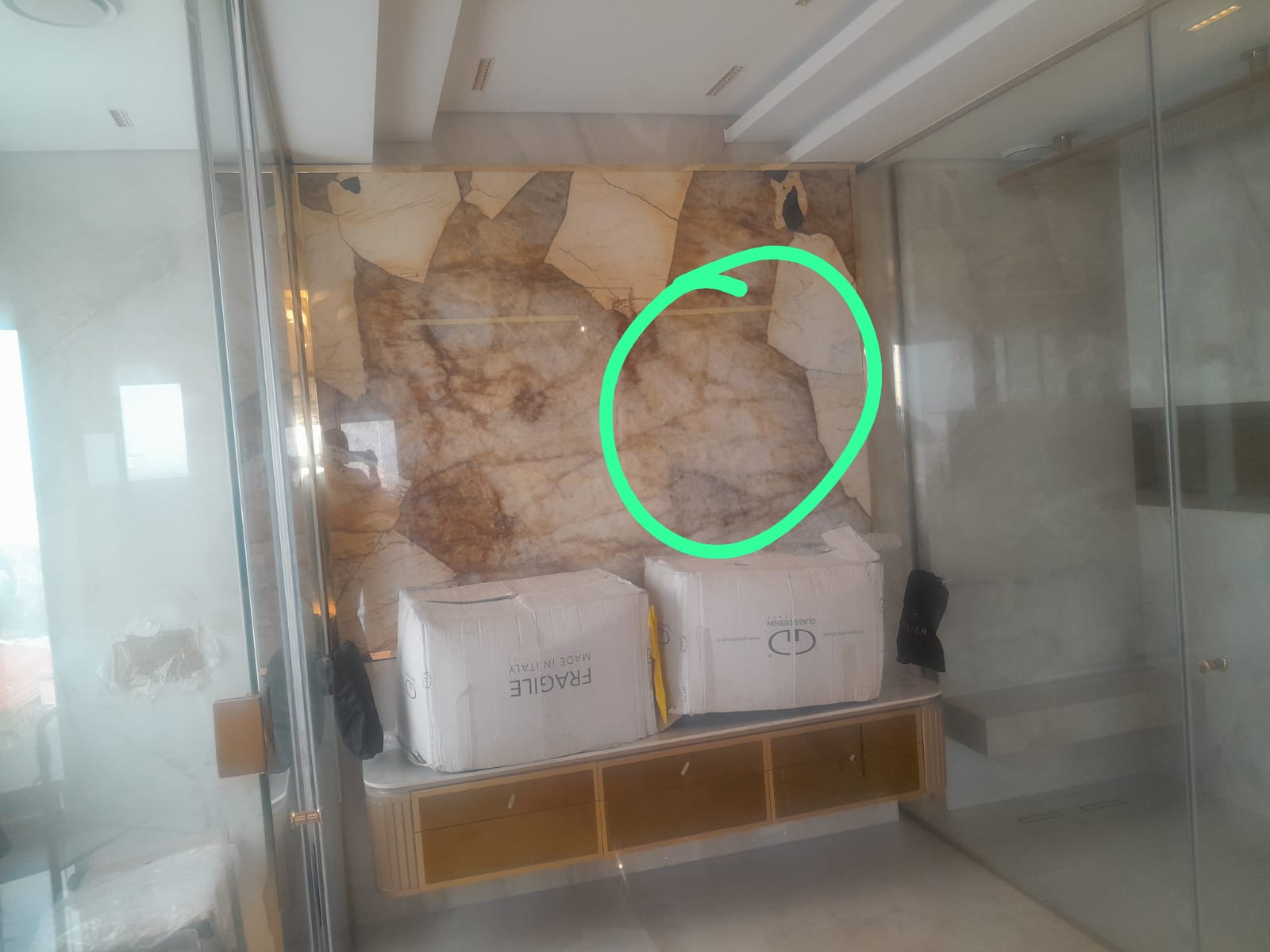
The interior designer should not be surprised
Good AV planning respects the designer’s work.
The technology team should understand sightlines, material finishes, cabinet details, ceiling features, furniture layouts and lighting scenes early enough to protect the design.
That does not mean every device must be visible.
It means every hidden device must still be usable, serviceable and correctly positioned.
DG Technologies treats finishes as part of the system
On premium homes, the AV system does not live separately from the interior.
It passes through it.
That is why DG Technologies prefers early coordination with architects, builders, electricians, cabinetmakers and interior designers.
The goal is not to win an argument about technology.
The goal is to make the technology work without damaging the room that everyone worked so hard to finish.