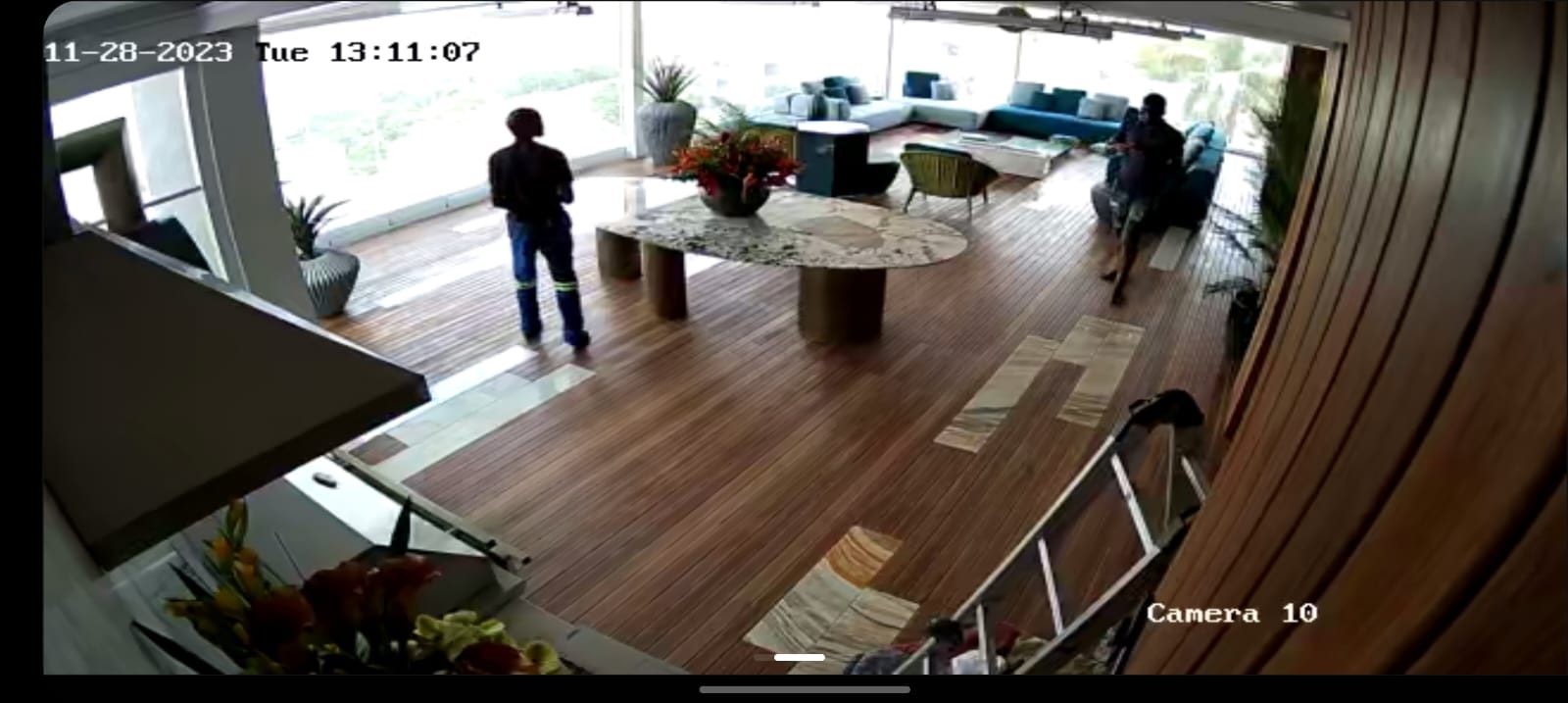
CCTV should make a property safer.
It should not create a privacy problem.
This becomes especially important in estate homes, dense suburbs, sectional-title properties, office parks and commercial sites where cameras may accidentally see neighbouring properties, staff areas, public walkways or spaces that were never meant to be monitored.
The camera may be installed with good intentions, but the view still matters.
DG Technologies plans CCTV installation around useful security coverage, clean app access and responsible privacy decisions.
More view is not always better
A wide camera can feel impressive.
It shows the driveway, garden, wall, neighbour’s roof, part of the road and maybe half the estate.
But wide visibility is not always the correct answer. The system should show what the property owner needs to protect and review. It should not casually capture more private space than necessary.
Good CCTV design asks:
- What must this camera see?
- What should this camera avoid seeing?
- Is the neighbouring property visible?
- Is the view useful or just wide?
- Does the camera expose private family areas?
- Does staff access need to be limited?
That thinking is part of professional security design.
Privacy masking can help
Many professional CCTV systems allow privacy masking.
This lets the installer block out selected areas of the camera image. For example, a neighbour’s window, a private section of another property, or an area that should not be recorded.
Privacy masking is not a replacement for good camera placement, but it is useful when the perfect camera view also catches something it should not.
For estate homes and premium properties, this can be important. The client wants security, but not at the cost of looking intrusive or careless.
Camera angles should respect the property boundary
Where possible, cameras should be angled toward the client’s own property.
A boundary camera may need to see a wall line or approach route. A gate camera may need to capture vehicles or pedestrians. A driveway camera may need a wider approach view.
But the installer should be deliberate about those angles.
If a camera can be shifted slightly to reduce unnecessary neighbour visibility without weakening security, that is usually the better decision.
This is particularly relevant in Durban North, Umhlanga, Mount Edgecombe, Zimbali, Simbithi and other KZN areas where premium homes sit close to shared estate roads, neighbouring homes or managed community spaces.
Staff and guest views should be considered
Privacy is not only about neighbours.
It is also about who can see the cameras.
In a large home, the owner may need full access. A house manager may need gate, driveway and service-area views. Staff may only need one or two operational views. A guard may need perimeter views but not family entertainment areas.
If everyone has access to every camera, the system may be convenient but poorly controlled.
The camera view and the app permission should be designed together.
Businesses need a privacy conversation too
Commercial CCTV must also be handled carefully.
A business may need cameras for entrances, dispatch, stock movement and public areas. But staff areas, offices, neighbouring properties and public-facing zones still require responsible thinking.
The goal is to protect the business, not to record carelessly.
Good camera naming, user permissions and clear management responsibility help prevent misuse or confusion later.
Privacy planning improves trust
Clients notice when an installer thinks about these details.
It shows that the installer is not just trying to cover everything with cameras. It shows judgement.
A proper CCTV system should answer the security need while respecting the environment around it. That is especially important for private homes where discretion, staff trust and family comfort matter.
For DG Technologies, privacy is not separate from CCTV quality. It is part of it.