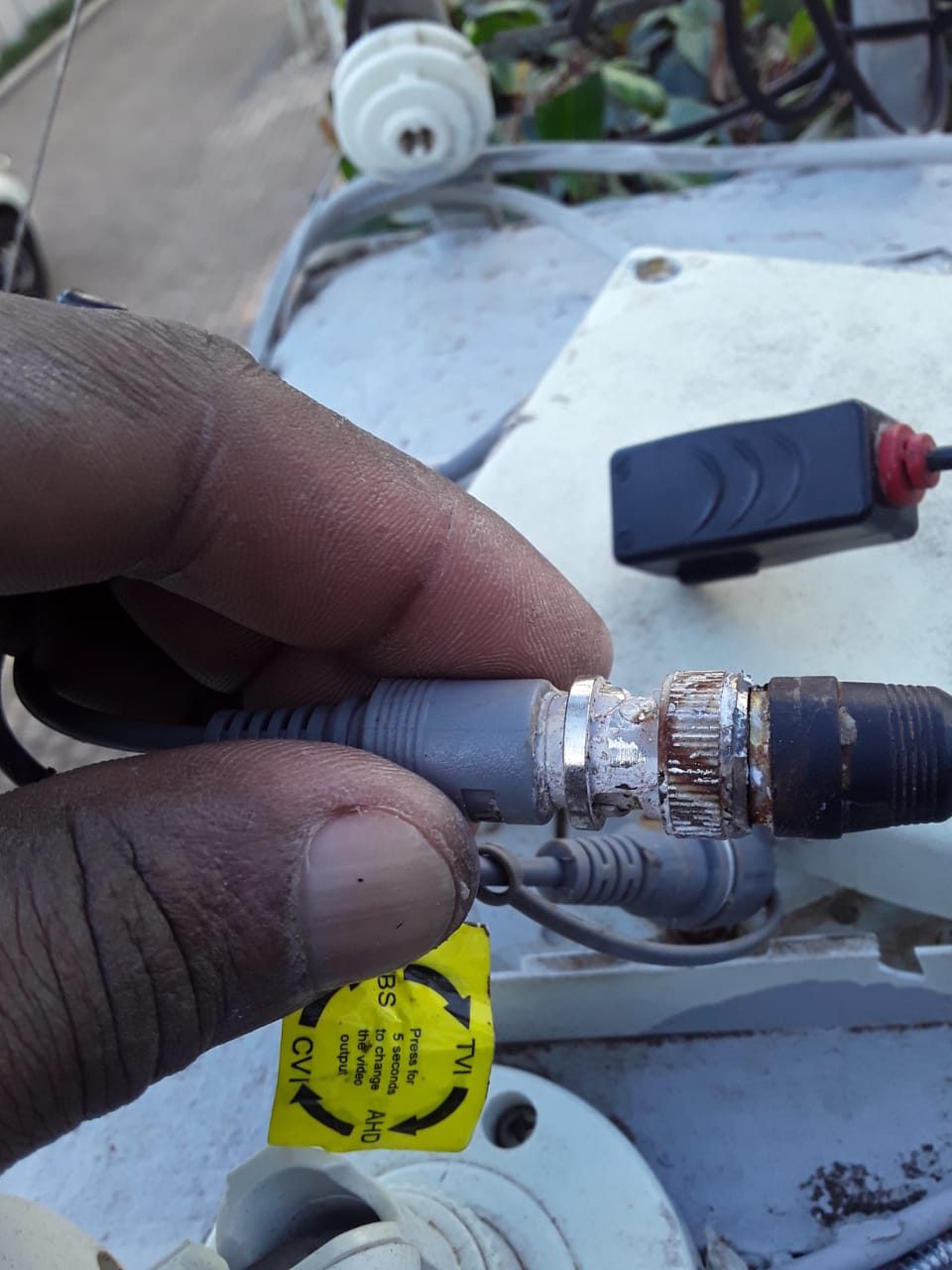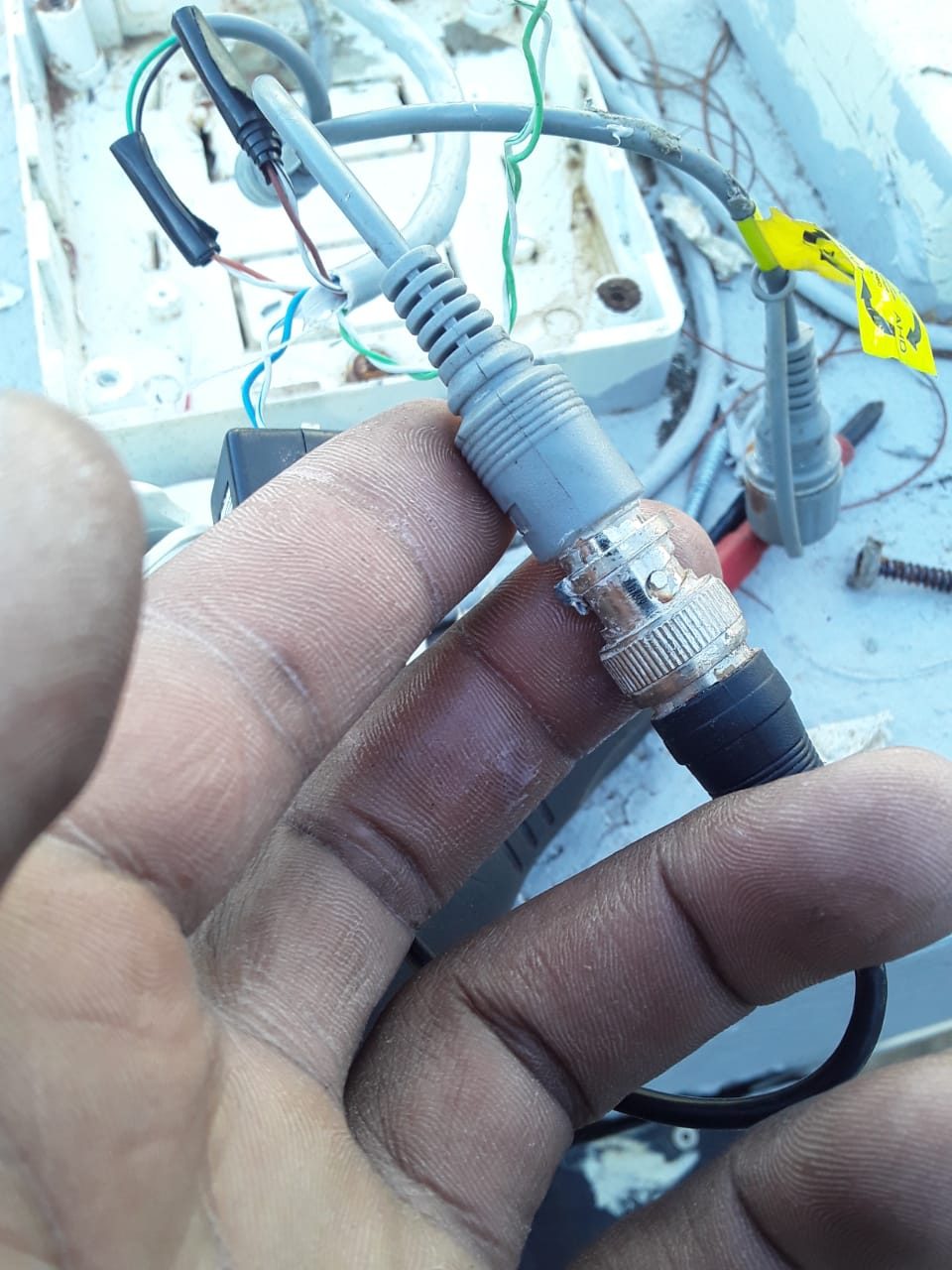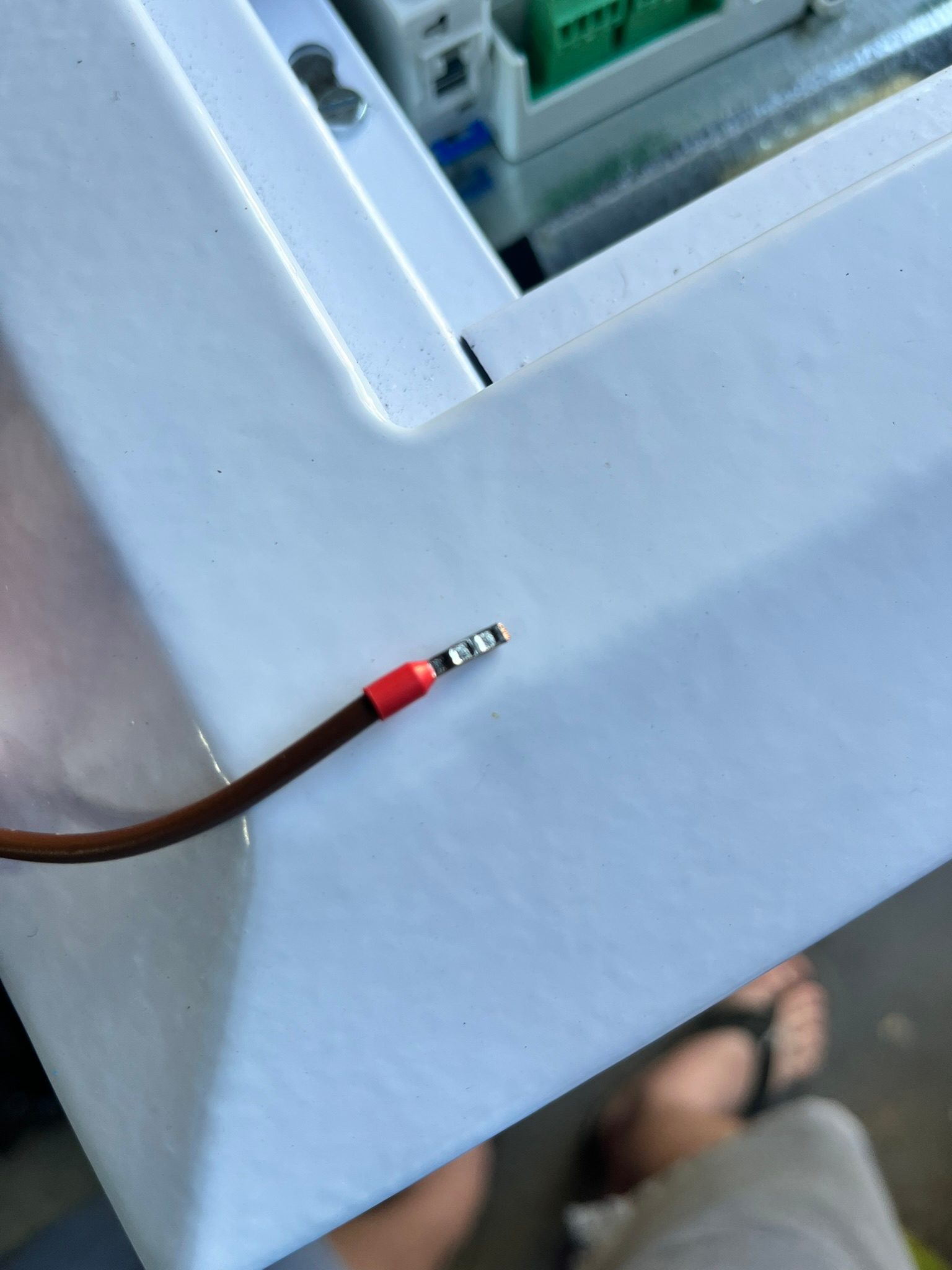
On an IP CCTV system, a small RJ45 connector can create a large fault.
It is easy to underestimate the plug at the end of a network cable. It is inexpensive, usually hidden, and often only noticed when something stops working. But that connector may be carrying both the camera’s data and its power.
If it is damaged, corroded, poorly crimped or under strain, a good camera can look faulty.
PoE makes the connector critical
Most modern IP cameras use PoE, meaning Power over Ethernet.
The same cable carries communication and power. That makes the termination much more important than people sometimes realise. A weak connector may still allow the camera to appear online during testing, then fail later under load.
The camera may restart. It may drop at night when infrared switches on. It may work when someone touches the cable and then fail after the cabinet door closes. It may negotiate badly or show intermittent packet loss.
Those faults are frustrating because they are not always constant.
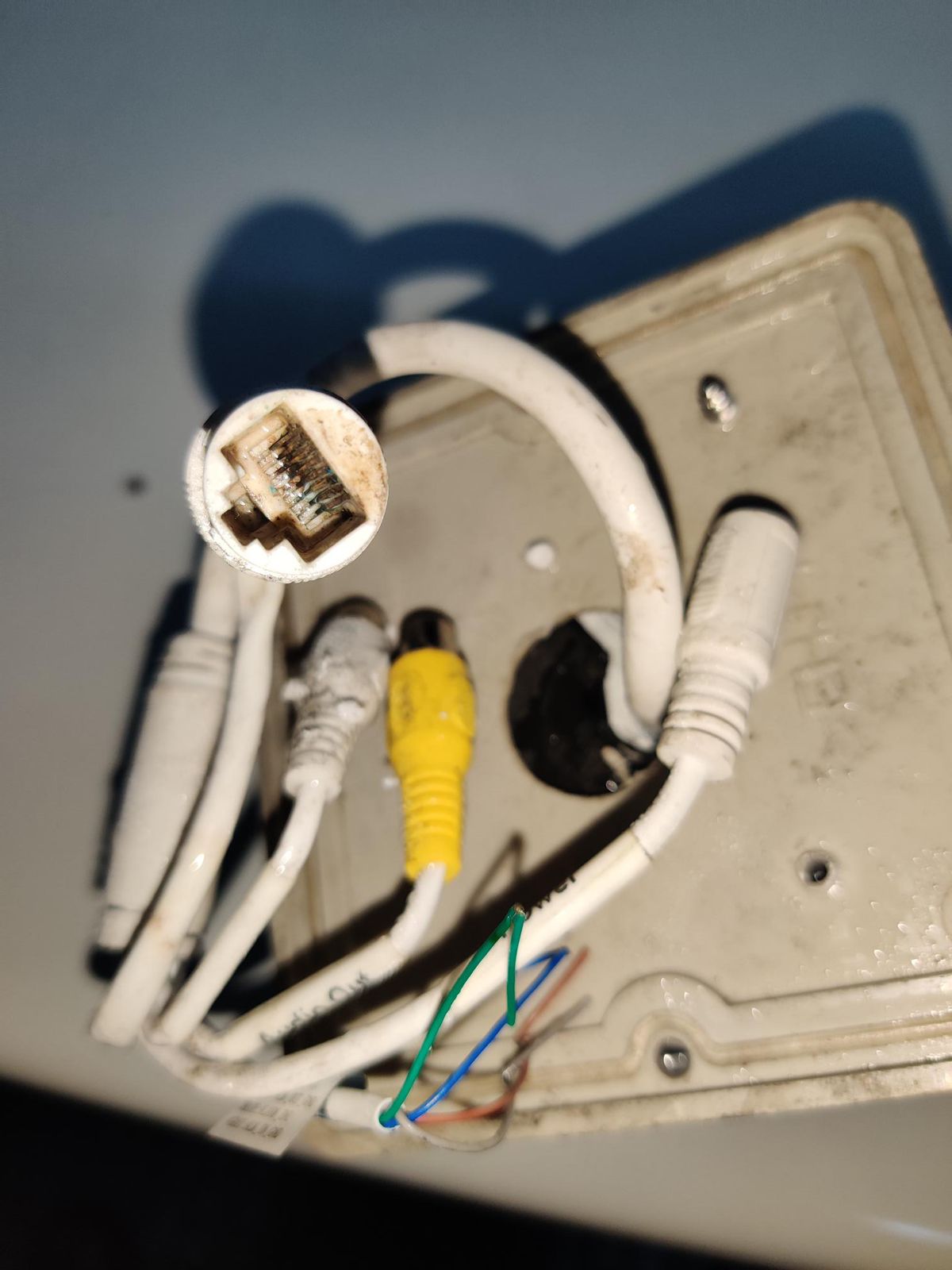
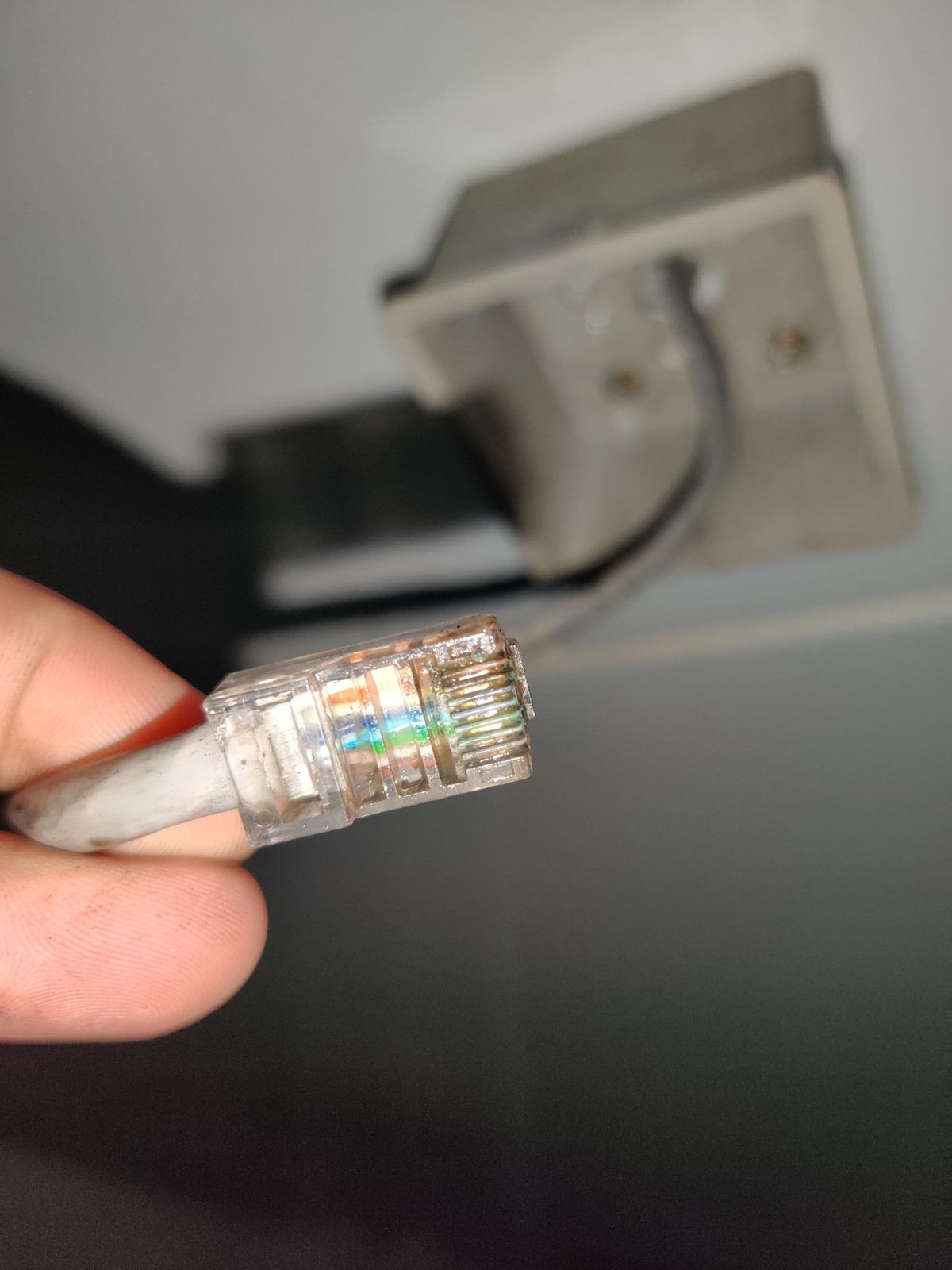
One bad connector can look like many bad cameras
If the damaged connector is at one camera, the fault may affect only that view.
If the damaged connector is on an uplink, patch lead, cabinet feed or shared network path, several cameras can drop together. That is when clients often assume the recorder has failed or multiple cameras are damaged at once.
Sometimes the real cause is one bad termination in the path back to the NVR.
This is why professional fault-finding should not simply replace cameras until pictures return. The cable path, switch port, patch lead, keystone and connector quality all need to be checked.
Outdoor CCTV makes it harder
KZN conditions can be hard on poor terminations.
Humidity, coastal air, rain, heat, insects and dust all affect outdoor camera points. A connector placed inside a poorly sealed junction box may work for a while and then slowly corrode. A cable with no drip loop may carry moisture toward the connection. A camera base may collect water if it was not installed properly.
Once corrosion starts, the result can be intermittent rather than clean failure.
That means the camera may be online when tested and offline when needed.
Cabinet workmanship matters too
RJ45 problems are not only found at the camera.
Cabinets and recorder areas often contain patch leads, switches, keystones, couplers and cable ends that have been moved several times over the years. If equipment is added without labelling or cable management, plugs can become strained or damaged.
On larger CCTV sites, a messy cabinet turns small connector faults into time-consuming investigations. A neat cabinet with labelled cables makes the same fault far easier to isolate.
This is why DG Technologies treats cabling as part of the security system.
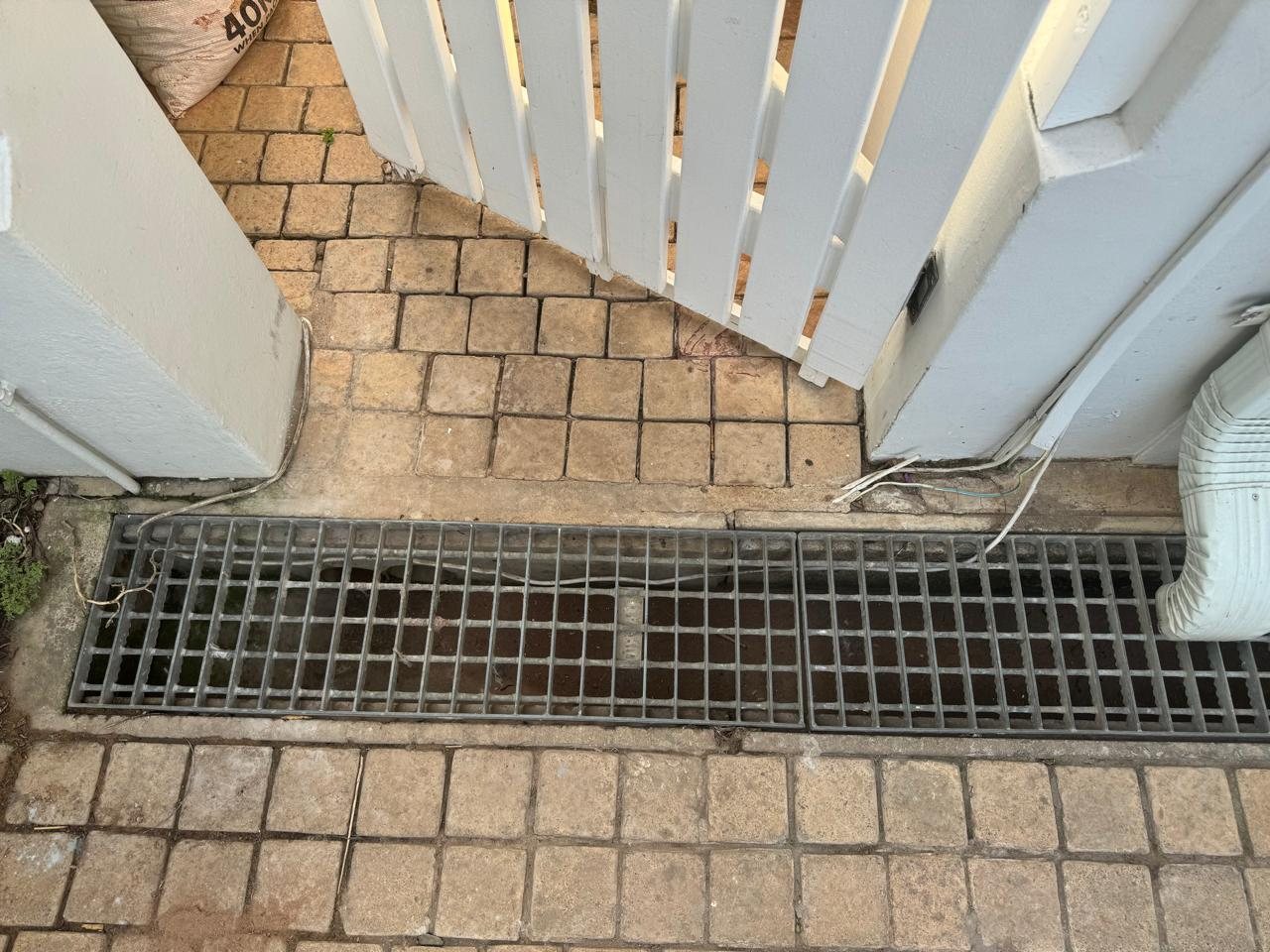
Poor existing cabling can make a good CCTV system look unreliable. Before replacing cameras, the cable path and terminations need to be inspected properly.
Testing must go beyond “picture is back”
The minimum test is not whether the camera appears for a moment.
A proper CCTV cabling check should consider:
- continuity and pair order,
- PoE stability,
- switch negotiation,
- cable strain,
- weather protection,
- connector condition,
- keystone or patch-panel quality,
- whether the fault returns after movement or load.
If the system is important, the cable should be treated as important.
A premium camera connected through a weak termination is still a weak installation.
Why this matters for evidence
CCTV faults often become urgent only after an incident.
If a camera has been intermittently dropping because of a connector, the site may not know until footage is needed. That is a poor way to discover a workmanship issue.
Good maintenance checks the hidden details before they become evidence problems.
That includes lens cleaning and recorder checks, but it also includes the small physical connections that keep cameras alive.
DG Technologies’ view
Damaged RJ45 connectors are not glamorous, but they decide reliability.
On professional CCTV installations, DG Technologies pays attention to terminations, cable routing, weather protection, cabinet layout and testing because those details determine whether the system keeps working after installation day.
Clients see the camera picture.
The system depends on the connector behind it.
Field images from DG site work